

Overview
Learn to swim efficiently by reducing drag with these tips: maintain a streamlined body position, optimize your arm technique, kick purposefully, breathe efficiently, and choose the right gear. Incorporate drills for improvement and prioritize recovery to enhance performance. Set measurable goals to track your progress and enjoy the journey of refining your swimming skills.
Table of Contents
- Understanding Drag in Swimming
- Form Drag: The Biggest Culprit
- Surface Drag: The Importance of Gear
- Five Tips for Reducing Drag
- 1. Maintain a Streamlined Body Position
- 2. Optimize Your Arm Technique
- 3. Kick with Purpose
- 4. Breathe Efficiently
- 5. Choose the Right Gear
- The Importance of Drills
- 1. Catch-Up Drill
- 2. Single Arm Drill
- 3. Vertical Kicking Drill
- Recovery: Essential to Swim Efficiency
- Setting Goals to Track Your Progress
- Diving into the Future of Swimming
Key Takeaways
- Understand Drag: Recognize that drag is the resistance faced while swimming, affecting speed and efficiency.
- Streamlined Body Position: Maintain a horizontal position with a neutral head to minimize resistance.
- Optimize Arm Technique: Focus on proper hand entry and catch to reduce drag during strokes.
- Kick with Purpose: Use a flutter kick from the hips to maintain balance and streamline your body.
- Efficient Breathing: Practice bilateral breathing and exhale fully underwater to maintain momentum.
- Choose the Right Gear: Invest in well-fitting, anti-fog swim goggles for a distraction-free experience.
- Incorporate Drills: Regularly practice drills like the catch-up and vertical kicking to enhance technique and efficiency.
Swimming is not just a recreational activity; it’s a competitive sport and a great workout. If you want to improve your swimming efficiency and reduce drag, it's essential to learn techniques that can bolster your performance. Whether you swim for fitness, competition, or leisure, understanding how to swim efficiently can make all the difference. Let’s dive into some practical tips to enhance your swimming experience while focusing on reducing drag and optimizing your stroke.
Understanding Drag in Swimming
Before we jump into tips for efficient swimming, let's take a moment to understand what drag is. In swimming, drag refers to the resistance a swimmer faces as they move through the water. This resistance can significantly impact speed and efficiency. There are different types of drag—surface drag, form drag, and wave drag. By taking steps to reduce drag, you can swim faster and conserve energy.
Form Drag: The Biggest Culprit
Form drag is primarily caused by a swimmer's body position in the water. The more streamlined your body is, the less drag you will experience. A swimmer with a poor body position will create more resistance, leading to inefficient strokes.
Surface Drag: The Importance of Gear
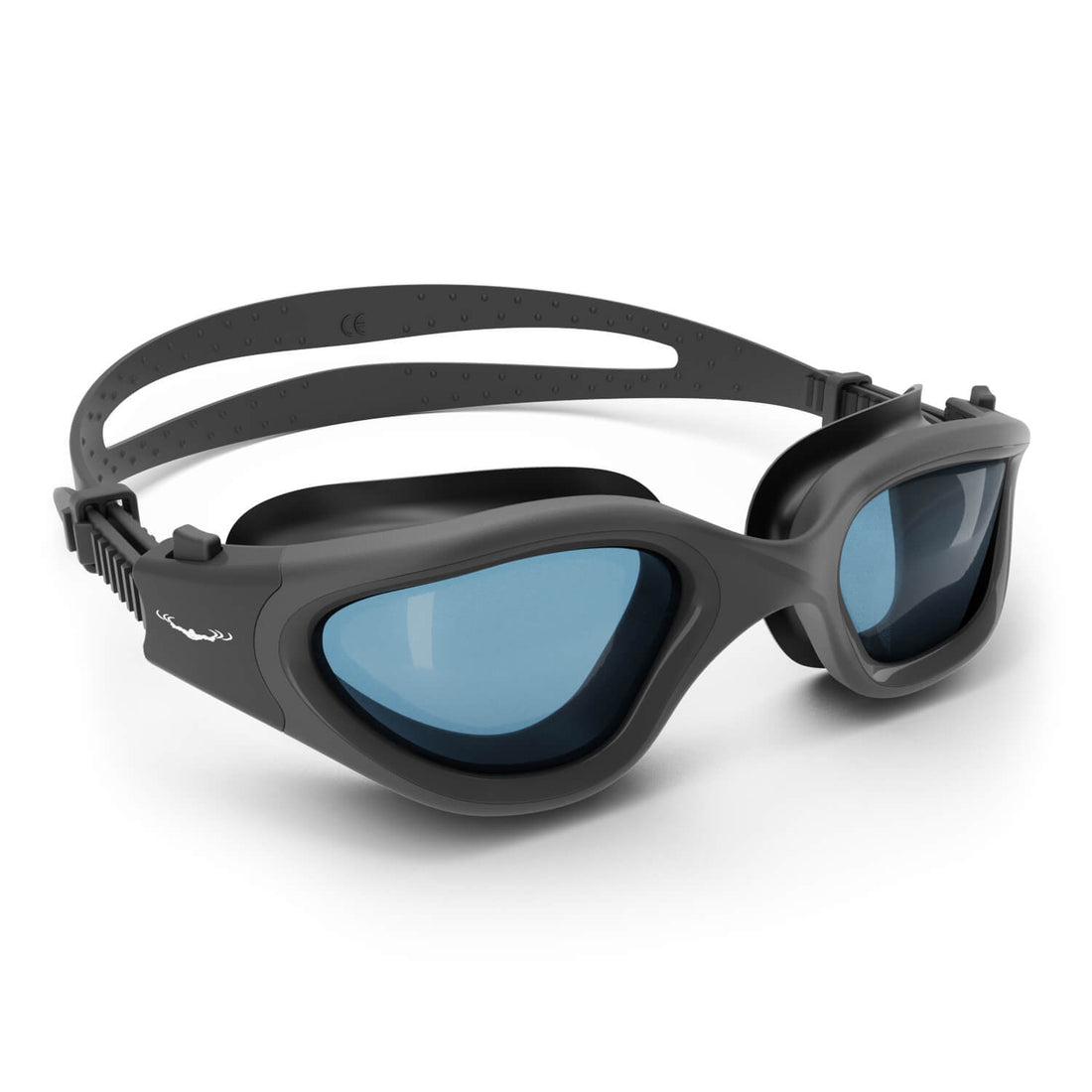
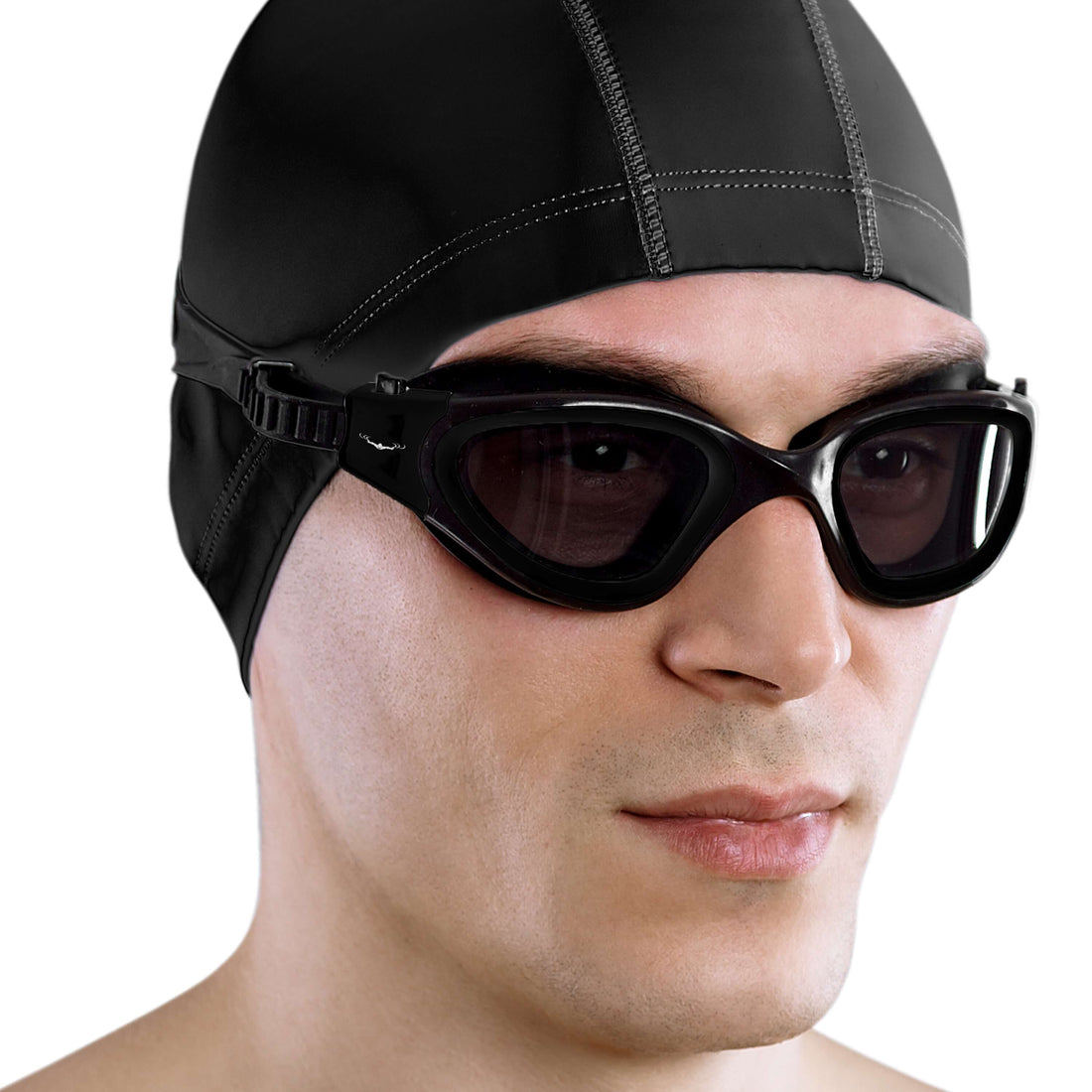
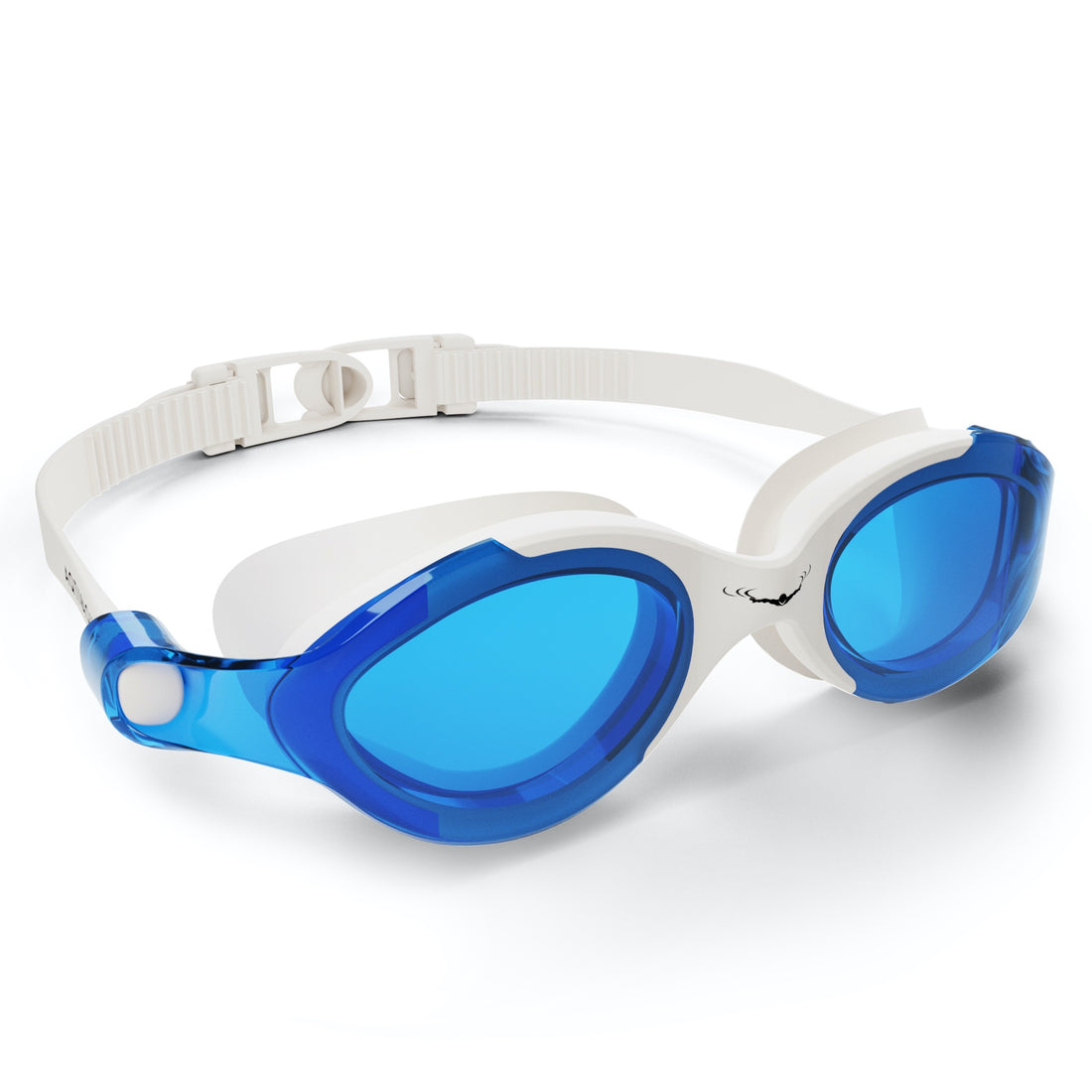
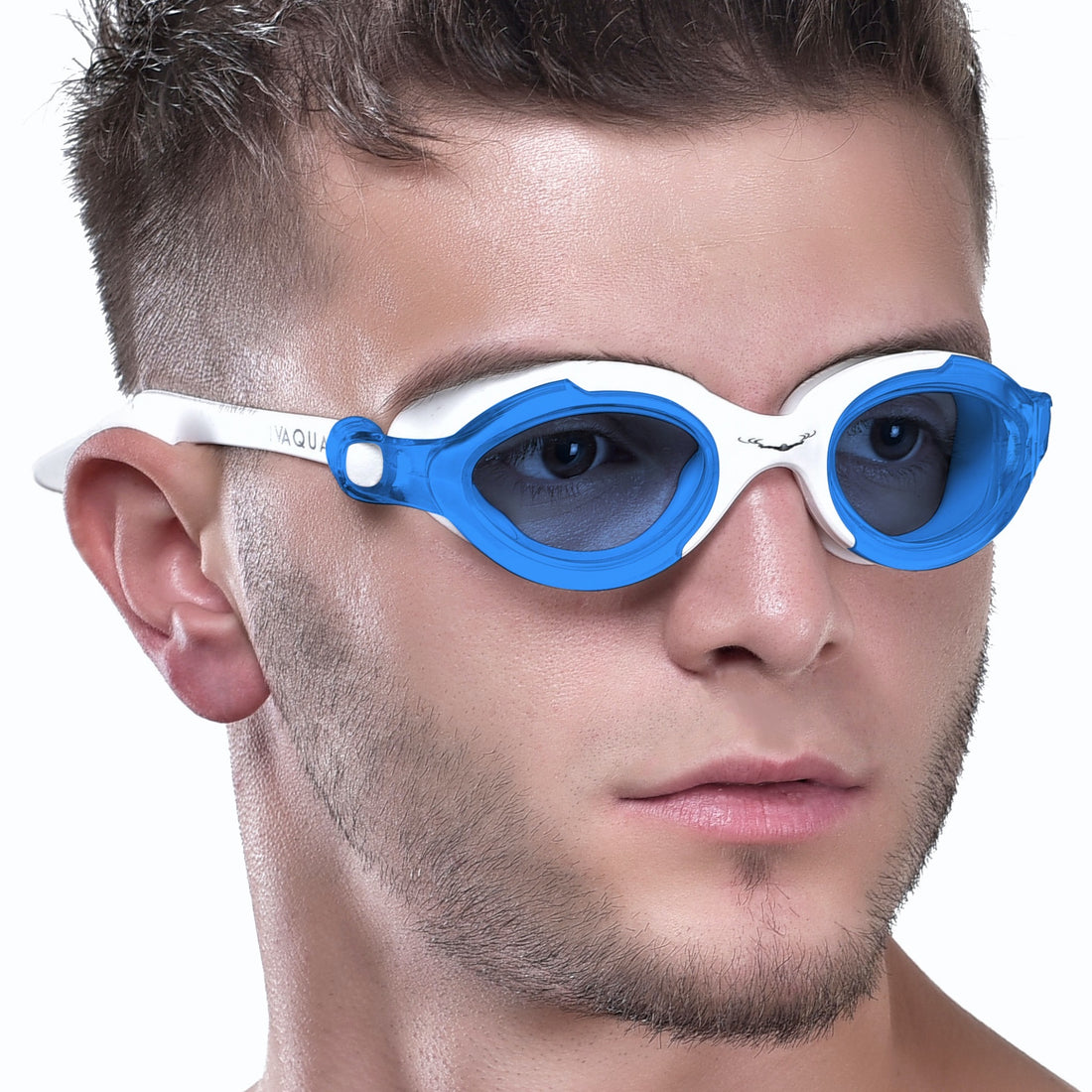
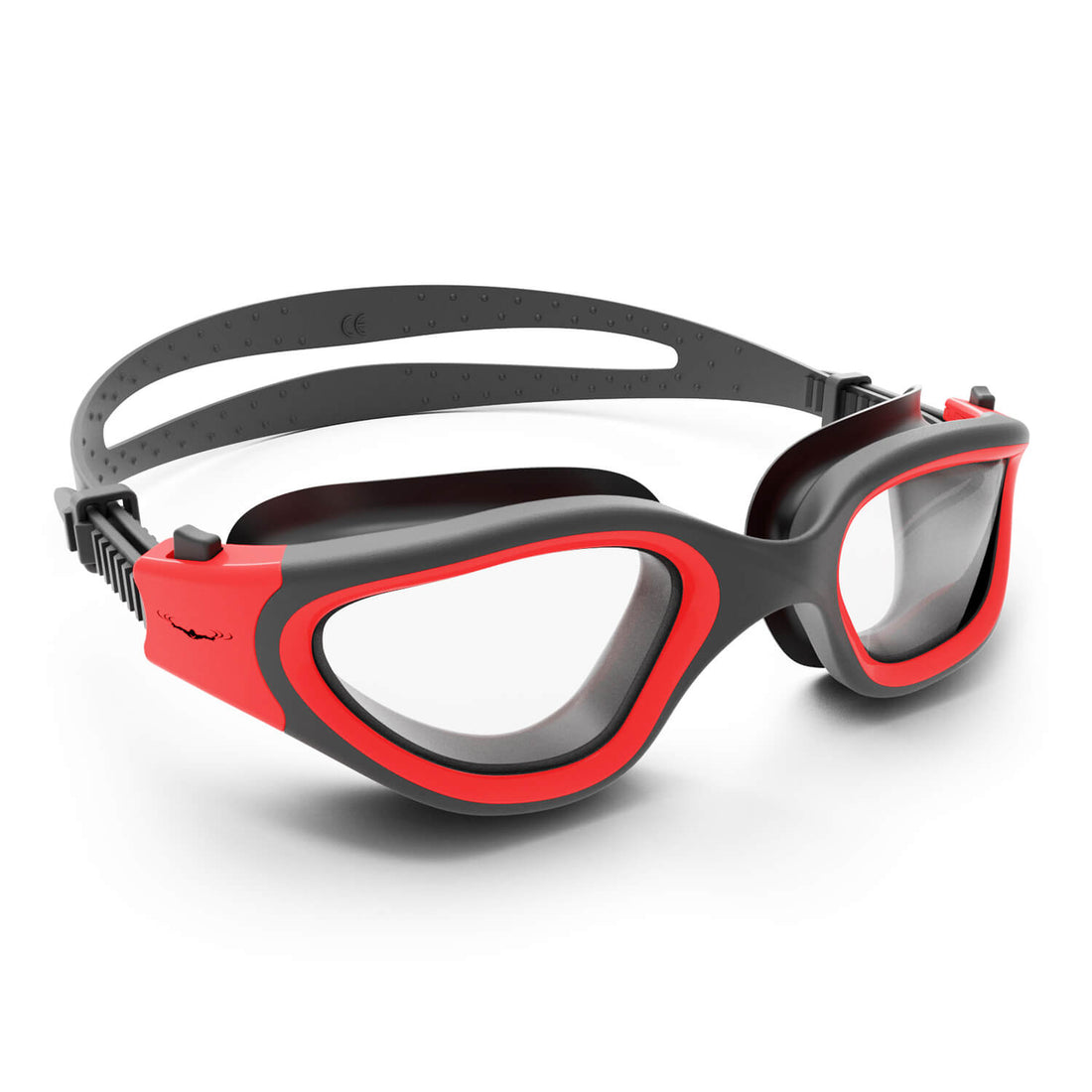
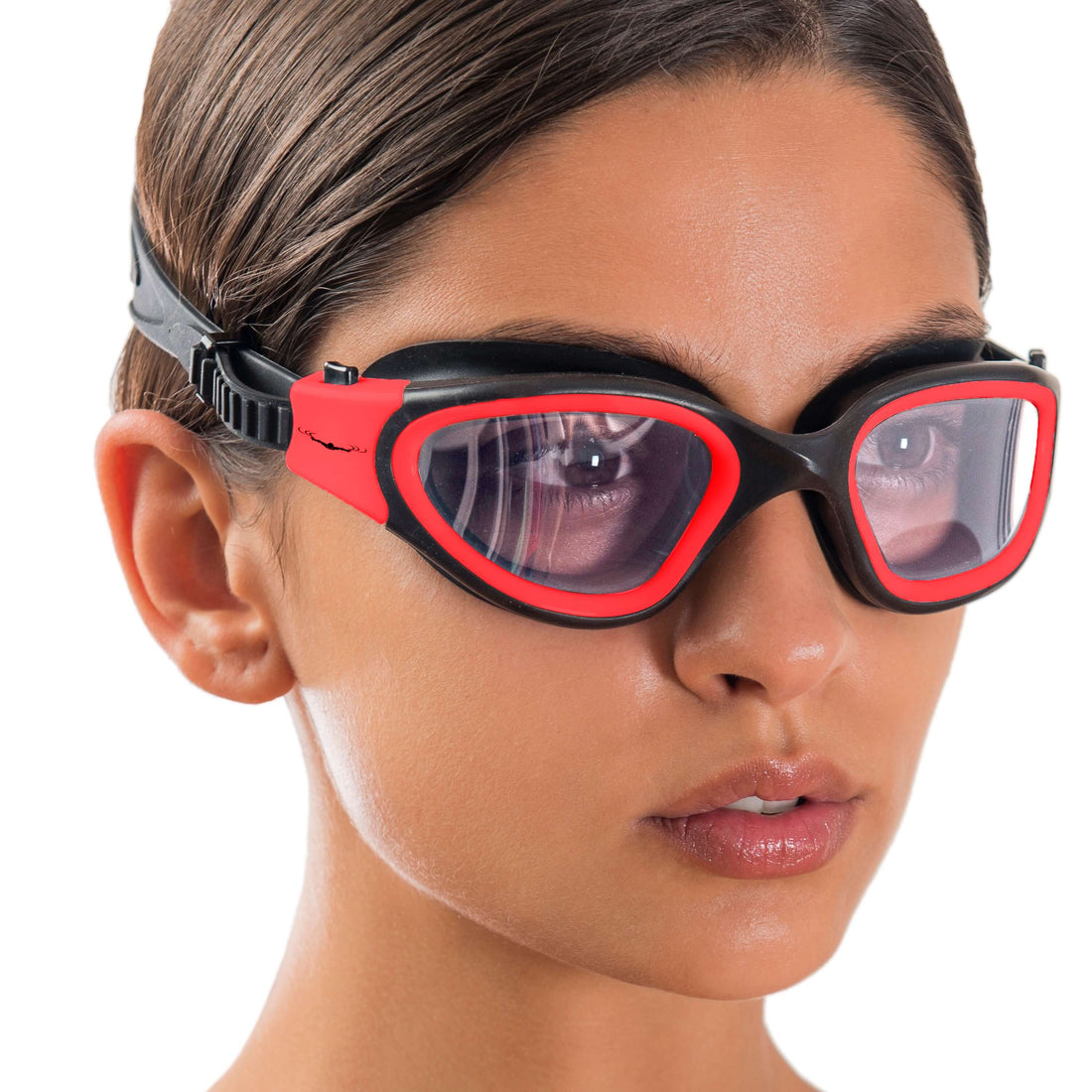
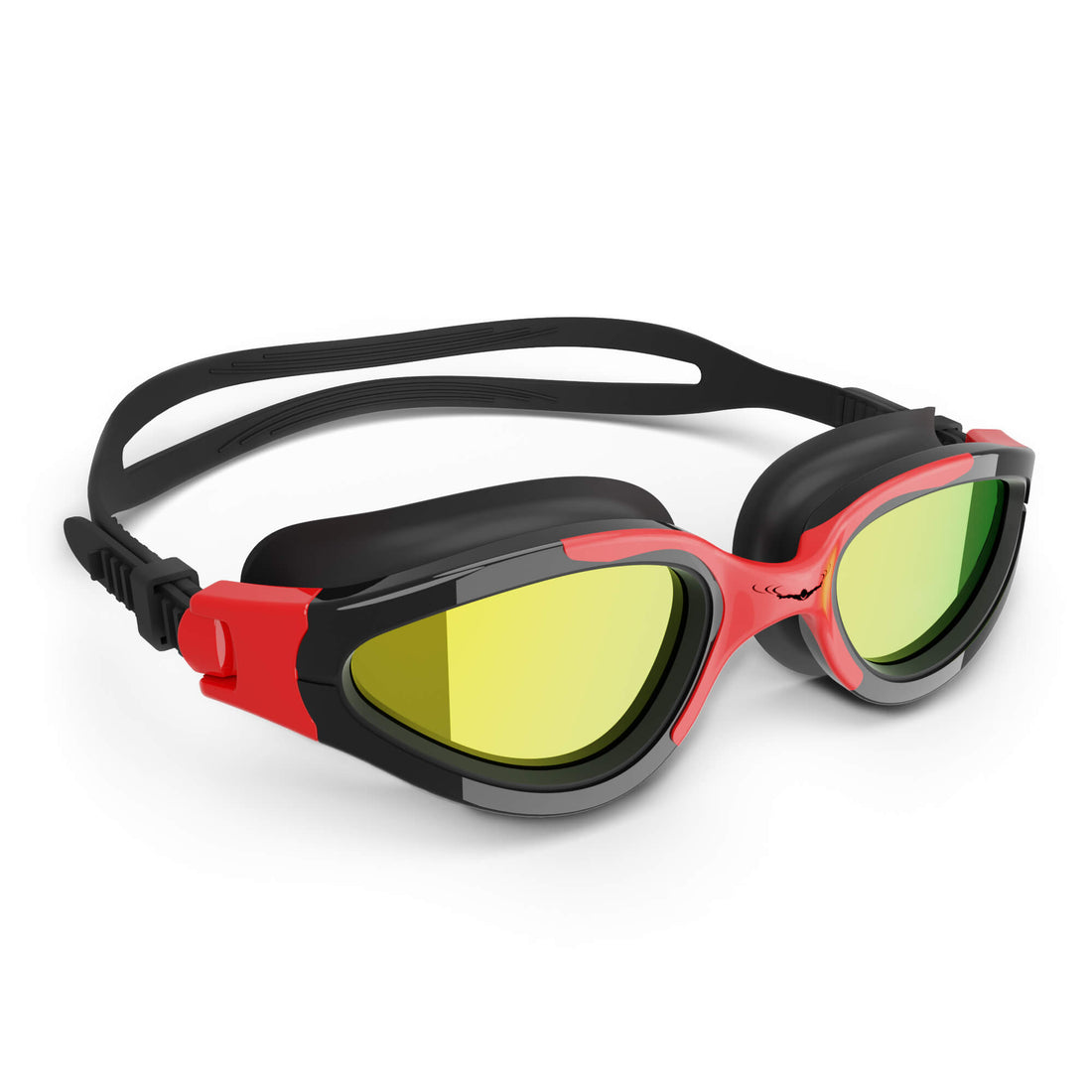
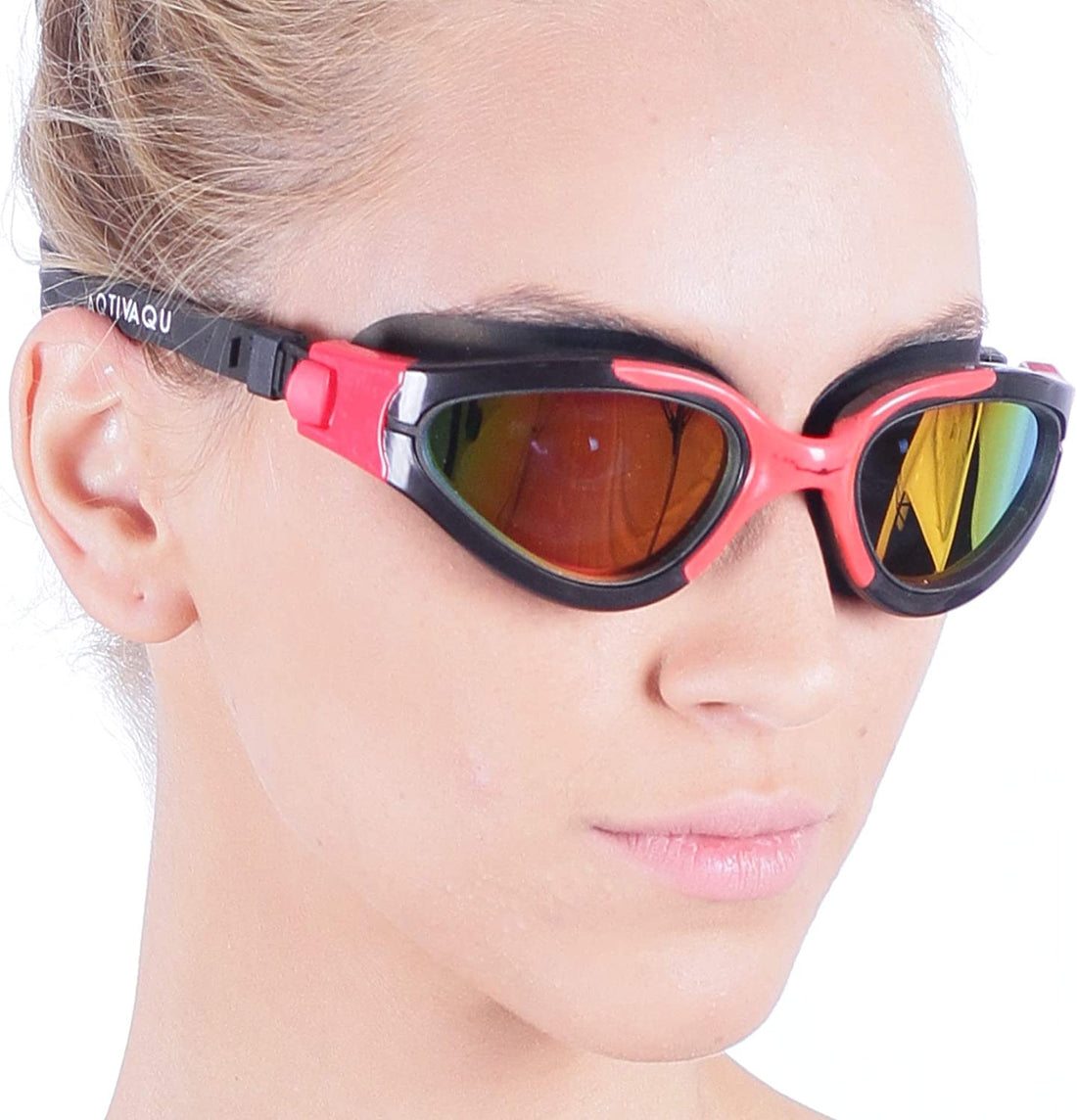
On the other hand, surface drag can be mitigated with the right gear. Investing in professional swim goggles can help you maintain focus and comfort in the water, allowing you to concentrate on technique rather than distractions. The right swimming goggles should fit snugly and help minimize drag caused by water splattering on your face.
Five Tips for Reducing Drag
Now that we have a clear understanding of drag, let’s explore five practical tips to reduce drag while swimming:
1. Maintain a Streamlined Body Position
The first step in reducing drag is to maintain a streamlined body position. When you swim, keep your head in a neutral position, with your eyes looking forward and slightly down. Your body should be as horizontal as possible, minimizing the surface area pushing against the water.
- Engage your core: A strong core stabilizes your body and prevents excessive movement during your stroke.
- Position your hips: Keep your hips high and flat in the water. This will create a streamlined position and minimize drag.
2. Optimize Your Arm Technique
Another critical element in swimming efficiently is your arm technique. Focus on your entry and catch phase:
- Entry: Your hands should enter the water at a slight angle, ideally in line with your shoulder.
- Catch: As your hand enters, bend your elbow slightly for better water purchase while pulling.
By mastering your arm technique, you can reduce the amount of drag created during your stroke, allowing for smoother progress through the water.
3. Kick with Purpose
Your legs play a significant role in maintaining your position in the water. A well-executed kick can help keep your body streamlined:
- Flutter Kick: Keep your legs straight but relaxed. Kick from the hips rather than the knees for more effectiveness.
- Maintaining Balance: A strong kick not only propels you forward but also helps to keep your hips high, further minimizing drag.
4. Breathe Efficiently
Breathing is often underestimated when it comes to swimming efficiency. By mastering your breathing technique, you can keep your body aligned and reduce drag:
- Practice bilateral breathing to ensure balance in your stroke and to prevent lifting your head too high.
- Exhale fully underwater to allow for quicker inhalation during your breath, helping you maintain momentum.
5. Choose the Right Gear
Your swimming gear can significantly impact your performance in the water. Selecting the right swimming goggles is essential for a comfortable and distraction-free swimming experience. Here’s what to consider:
- Fit: Choose goggles that fit well and seal around your eyes without discomfort.
- Anti-fog Features: Opt for goggles with anti-fogging technology to enhance visibility and concentration.
- UV Protection: Look for goggles that provide UV protection to safeguard your eyes while swimming outdoors.
The Importance of Drills
In addition to implementing the above techniques, specific drills can greatly improve your efficiency and drag reduction in the water. Regularly incorporating these drills in your training can lead to noticeable improvements. Here are a few to consider:
1. Catch-Up Drill
The catch-up drill helps to refine the entry and arm movement. To perform this drill:
- Swim freestyle but extend one arm forward while the other arm remains at your side.
- Once your leading arm reaches the catch, bring your other arm forward to meet it before you start your stroke again.
2. Single Arm Drill
Using only one arm to swim (while the other arm rests) can improve your technique and balance:
- Alternate between arms to work on each side of your stroke.
- Monitor your body position and ensure you maintain a streamlined position while using one arm.
3. Vertical Kicking Drill
To focus on your kick, the vertical kicking drill challenges your core and leg strength:
- In deep water, keep your body vertical while kicking.
- Aim to maintain an upright position, which will help you understand the importance of keeping your legs streamlined.
Recovery: Essential to Swim Efficiency
Recovery is often overlooked in swim training. Proper recovery allows your body to repair and perform better during your next session. Here are a few recovery tips:
- Nutrition: Fuel your body with the right nutrients and hydration for optimal performance and recovery.
- Rest: Never underestimate the power of rest. Ensure you allow enough time for your body to recover from workouts.
Setting Goals to Track Your Progress
As with any athletic pursuit, setting measurable goals can keep you motivated and help track progress. Consider establishing goals based on:
- Distance Swum: Set weekly distance goals and gradually increase them to challenge your skills.
- Technique Improvement: Focus on mastering one technique at a time, such as kick efficiency or arm stroke.
- Time Trials: Evaluate your swimming speed by doing regular time trials on a specified distance.
By regularly evaluating your goals and progress, you'll stay engaged and see improvement over time.
Diving into the Future of Swimming
With these tips, you now possess the tools to swim efficiently and reduce drag. Achieving efficiency in swimming is about mastering technique, maintaining a streamlined posture, and utilizing the right gear like professional swim goggles. Remember, swimming is a journey. Take your time, practice regularly, and be patient as you refine your skills.
Ultimately, your efficiency in swimming is not just a reflection of your physical capabilities but also of how well you apply these techniques and maintain persistence. So get out there, enjoy the water, and dive into the colorful world of swimming with a newfound perspective!
Frequently Asked Questions
1. What is drag in swimming?
2. How can I reduce form drag while swimming?
3. What are some tips for optimizing arm technique in swimming?
4. Why is breathing technique important in swimming?
5. What should I consider when choosing swimming goggles?
Glossary
| Term | Meaning |
|---|---|
| Drag | Resistance a swimmer faces while moving through water. |
| Form Drag | Resistance caused by body position in water. |
| Surface Drag | Resistance from the water's surface against the swimmer. |
| Streamlined Position | A horizontal body position that minimizes drag. |
| Flutter Kick | A leg movement that helps maintain body position in water. |
| Bilateral Breathing | Breathing technique that promotes balance in strokes. |
| Catch-Up Drill | A drill to refine arm entry and movement. |
| Single Arm Drill | Swimming with one arm to improve technique and balance. |
| Vertical Kicking Drill | A drill to enhance core and leg strength while kicking. |
| Recovery | Rest and repair process for better performance. |
Linked Product

DX Wide View Swim Goggles + SHOCK Protective Case
The DX Wide View Swim Goggles provide an expansive field of vision, enhancing underwater visibility for swimmers. Paired with the SHOCK Protective Case, these goggles are designed for durability and safe storage. This combination is ideal for swimmers seeking comfort and clarity during their aquatic activities.
View Product