

Overview
This article provides a comprehensive guide to creating an effective swim training plan, suitable for swimmers of all levels. Readers will learn how to identify their training goals, structure their workouts, incorporate cross-training, and prioritize recovery, ultimately helping them enhance their swimming performance. By following the outlined steps and tips, individuals can tailor a training regimen that meets their specific needs and aspirations in the water.
Table of Contents
- Understanding Swim Training Goals
- Key Components of a Swim Training Plan
- 1. Schedule Frequency
- 2. Workout Structure
- 3. Cross-Training
- 4. Technique Improvement
- Preparing for Training: Essential Gear
- Building Your Personalized Swim Training Plan
- Step 1: Assess Your Current Fitness Level
- Step 2: Set SMART Goals
- Step 3: Create Your Weekly Schedule
- Step 4: Monitor Progress and Adjust
- The Importance of Recovery
- Staying Motivated Throughout Your Training
- Advanced Tips for Competitive Swimmers
- 1. Periodization
- 2. Incorporate Fins and Paddles
- 3. Race Simulation
- Time to Hit the Water!
Key Takeaways
- Identify Your Goals: Understand whether you're training for a specific event or aiming to improve general fitness.
- Establish a Consistent Schedule: Aim to swim three to six days a week based on your experience and fitness level.
- Include Key Workout Components: Each session should consist of a warm-up, main set, and cool-down.
- Incorporate Cross-Training: Use activities like running or cycling to enhance overall fitness and performance.
- Focus on Technique: Regularly practice drills to improve your swimming skills and consider video feedback.
- Set SMART Goals: Create Specific, Measurable, Achievable, Relevant, and Time-bound objectives to stay motivated.
- Prioritize Recovery: Ensure adequate rest and recovery to prevent fatigue and enhance performance.
Creating a swim training plan is crucial for anyone looking to improve their performance in the water, whether you're a beginner or an advanced swimmer. A well-structured plan can help you build endurance, speed, and technique while minimizing the risk of injury. In this article, we'll explore the essential components of a swim training plan and provide practical tips to help you design a routine tailored to your specific needs. Let's dive in!
Understanding Swim Training Goals
Before building a swim training plan, it's essential to identify your goals. Are you training for a specific event, or do you want to improve your general fitness? Here are some common goals swimmers pursue:
- Improving endurance
- Increasing speed
- Mastering swimming techniques
- Preparing for a competition
- Enhancing overall fitness
Once you have a clear understanding of your goals, you're ready to begin crafting your swim training plan.
Key Components of a Swim Training Plan
A successful swim training plan should include the following components:
1. Schedule Frequency
Determining how many days a week you will swim is vital for achieving consistency. Most swimmers train between three and six days per week, depending on their experience and goals. Beginners may start with three days a week, gradually increasing to five or six as their fitness improves.
2. Workout Structure
Each training session should include a warm-up, main set, and cool-down. Here's a breakdown of each component:
- Warm-up: Spend 5-10 minutes warming up to prepare your muscles and joints for training. This could include easy swimming and dynamic stretches.
- Main set: This is where you'll focus on your specific training goals. Include a mix of distance swims, speed intervals, and technique drills.
- Cool-down: End each session with easy swimming and static stretches to help facilitate recovery.
3. Cross-Training
Incorporating cross-training into your routine can boost your overall fitness and performance in the water. Activities like running, cycling, or strength training can complement your swim training by developing endurance and strength. Use at least one to two days a week for cross-training, depending on your body's responsiveness.
4. Technique Improvement
Technique is key in swimming, and regular drills can help you enhance your skills. Incorporate specific drills into each session that target your stroke, starts, and turns. Consider adding video feedback or working with a coach to refine your technique further.
Preparing for Training: Essential Gear
Having the right swimming gear can make a significant difference in your training experience. Here are some essentials to consider:
- Comfortable swimwear that allows freedom of movement
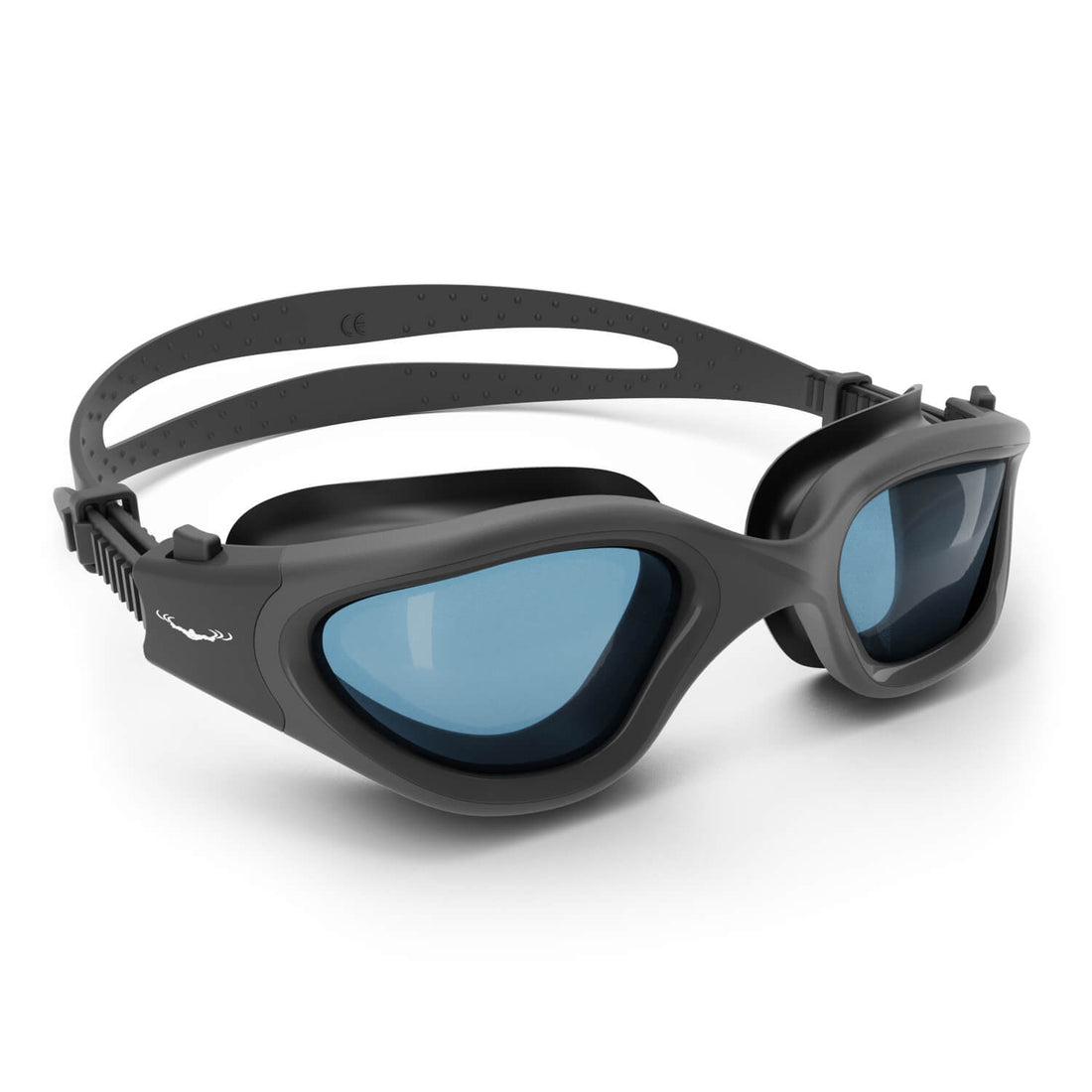
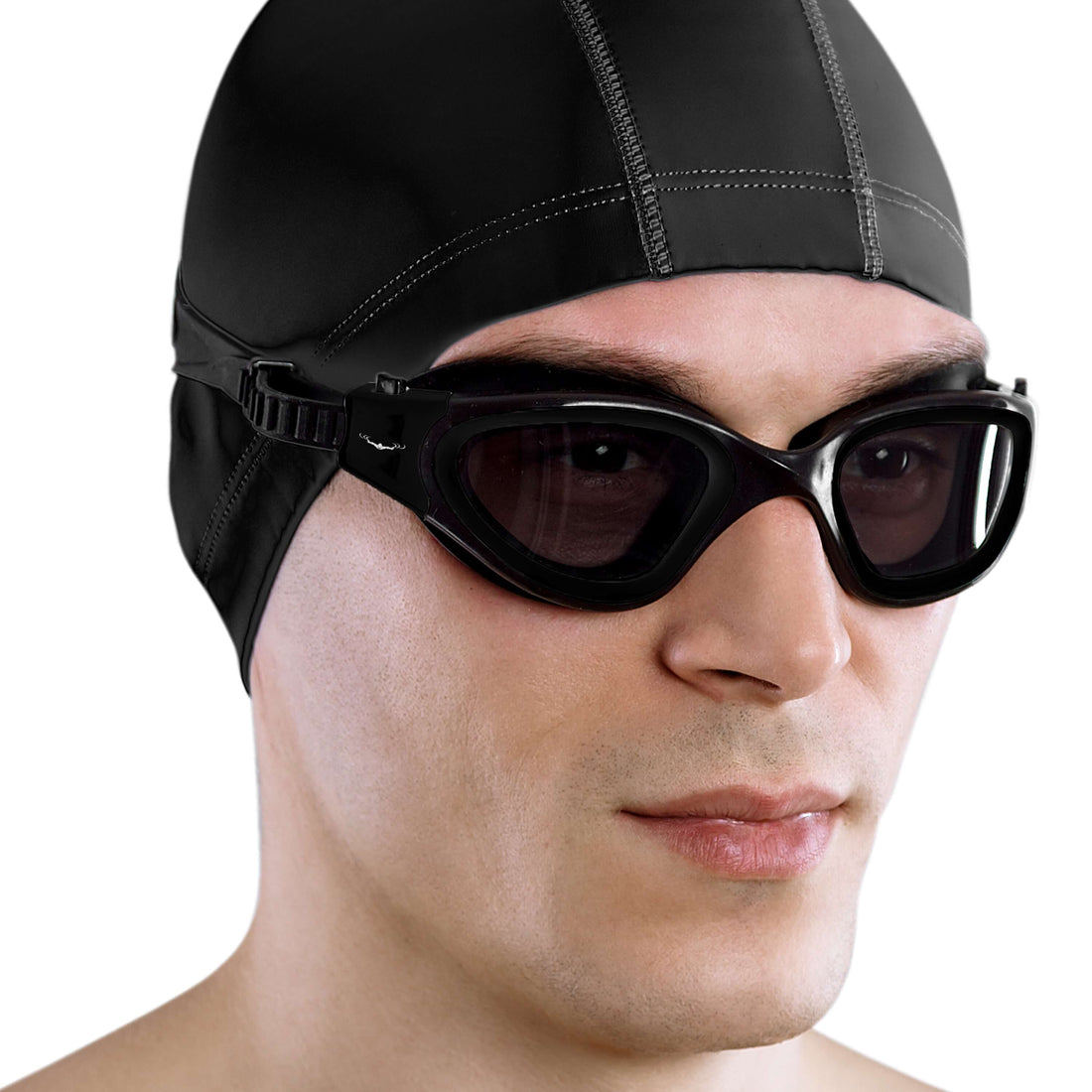
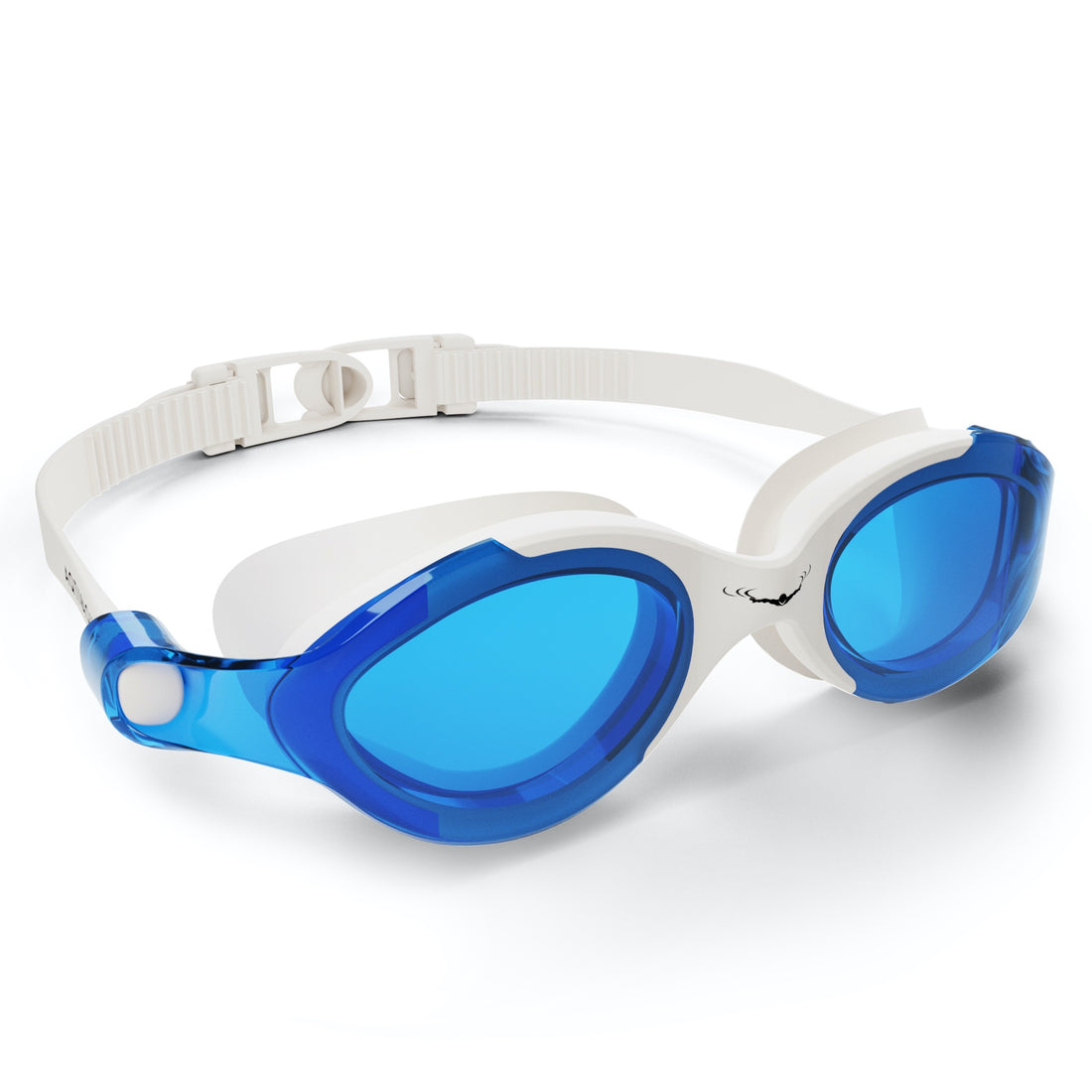
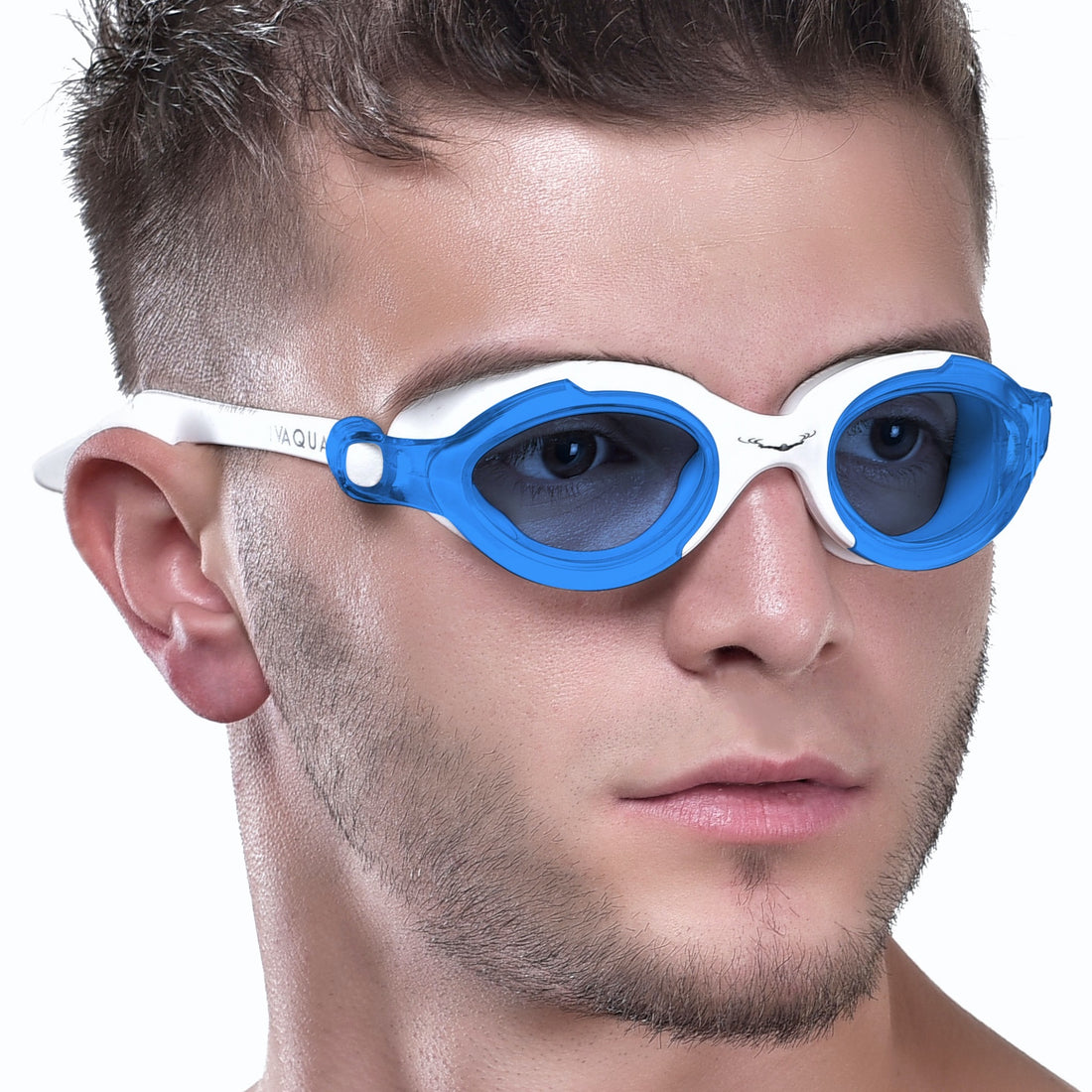
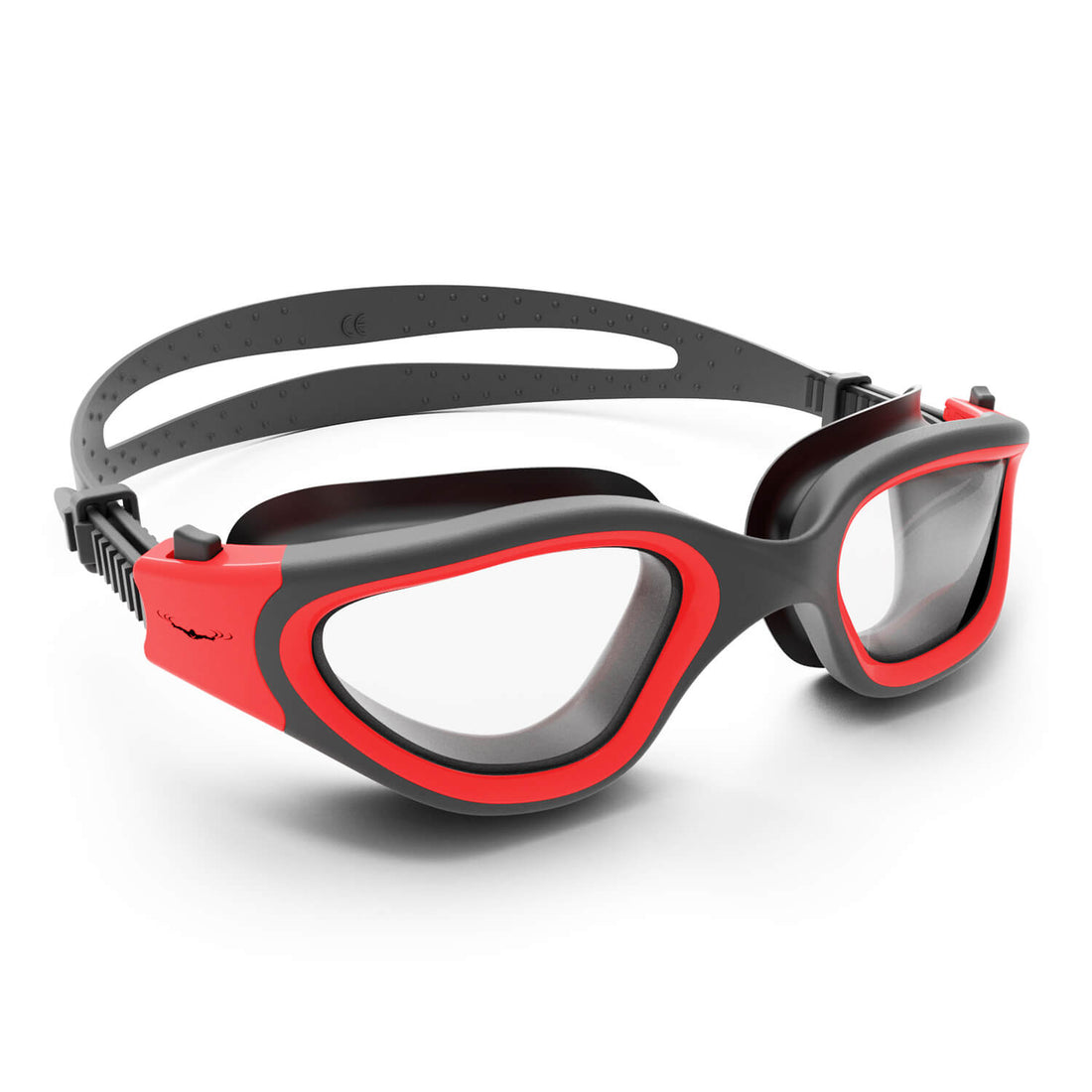
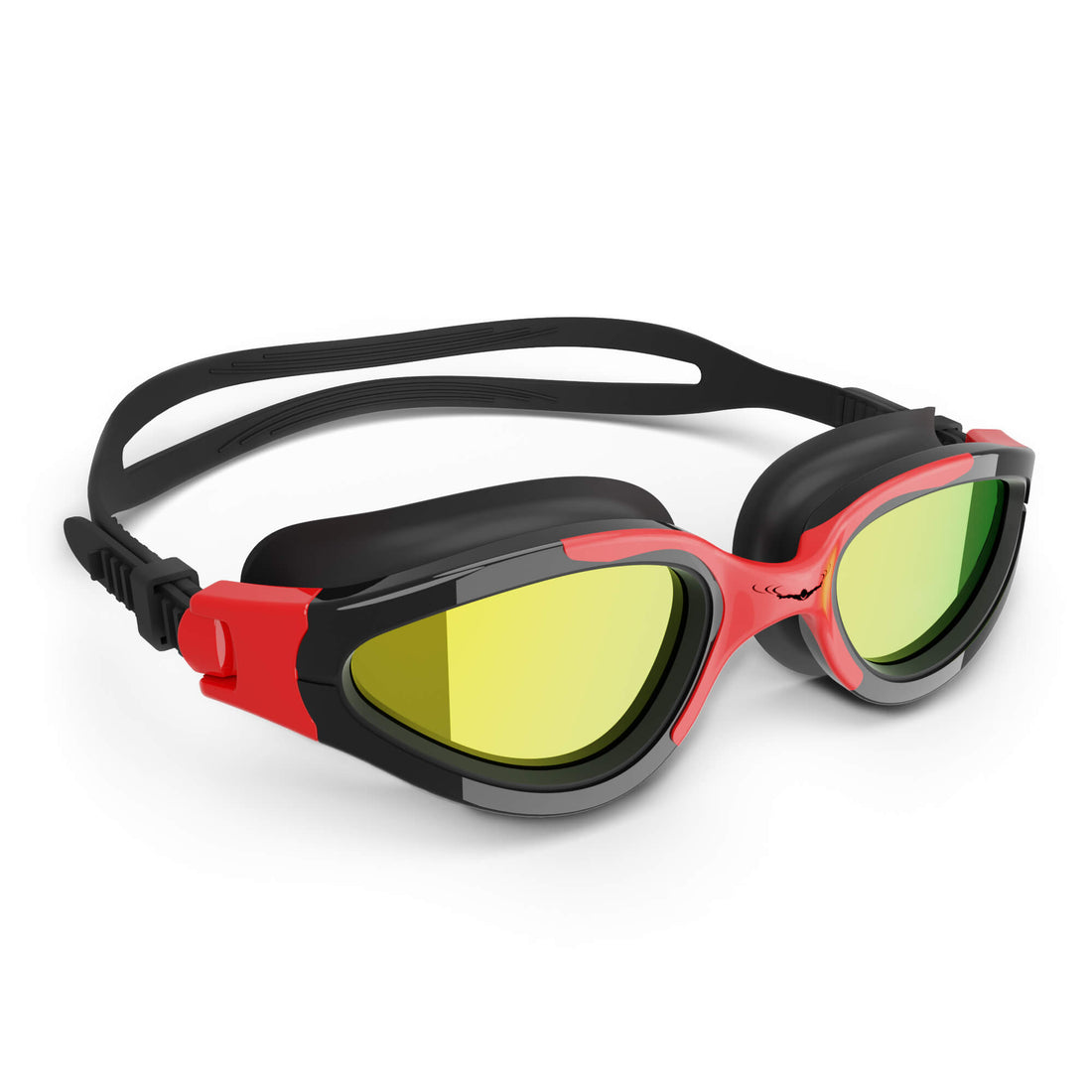
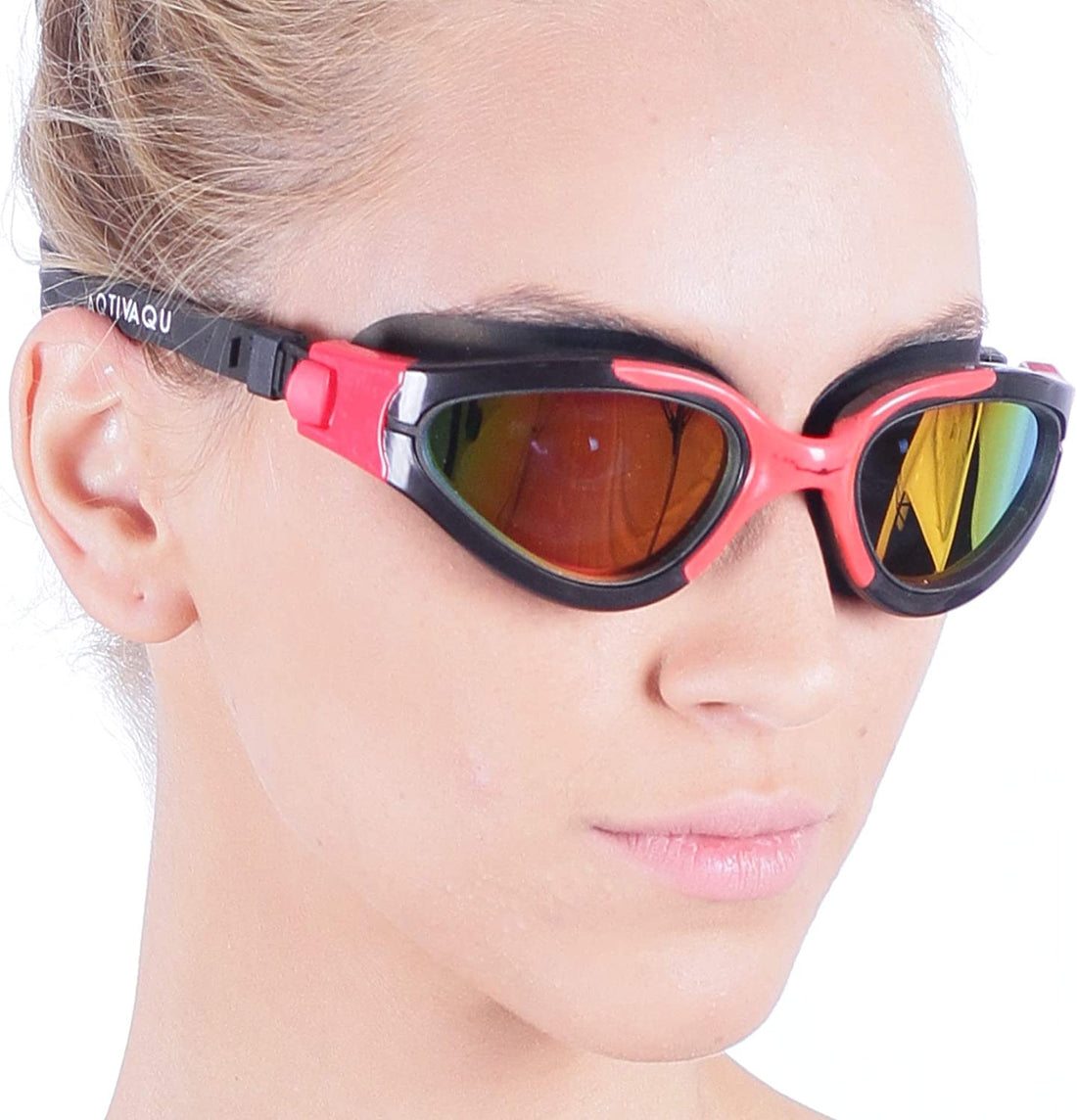
- Durable swim goggles to ensure clear vision during training
- Swim ear bands to maintain comfort and focus on your technique without distractions
- A swim cap to minimize drag and keep your hair out of the way
For a great swimming experience, choose products that blend performance with comfort, such as durable swim goggles that fit securely and offer fog-free visibility. This way, you can focus solely on your strokes and training sets.
Building Your Personalized Swim Training Plan
Now that you're familiar with the key components of a swim training plan, it's time to customize a program that works for you. Here's a simple step-by-step guide to get you started:
Step 1: Assess Your Current Fitness Level
Consider your current swimming abilities, strength, and endurance. You might take a time trial or gauge how long you can swim continuous laps to understand where to begin your training.
Step 2: Set SMART Goals
SMART goals are Specific, Measurable, Achievable, Relevant, and Time-bound. For instance, rather than saying, "I want to swim faster," consider setting a goal like "I want to improve my 100m freestyle time by 5 seconds within 3 months." This helps keep you focused and motivated.
Step 3: Create Your Weekly Schedule
Map out your training week, allocating time for swimming, cross-training, and rest. A sample weekly schedule could look like this:
- Monday: Swim - endurance set
- Tuesday: Cross-training (running or cycling)
- Wednesday: Swim - speed intervals
- Thursday: Rest or light yoga
- Friday: Swim - technique drills
- Saturday: Swim - long-distance swim
- Sunday: Rest
Step 4: Monitor Progress and Adjust
Regularly evaluate your progress against your goals. Keep a training log to track your swims, times, and feelings after each session. If you're not seeing the results you want, don't hesitate to adjust your plan to cater to your evolving needs.
The Importance of Recovery
Recovery is often overlooked, yet it's an essential component of any swim training plan. Without sufficient rest, your body won't have time to repair muscle tissues, which can lead to fatigue and decreased performance. Here are some tips for effective recovery:
- Prioritize sleep and overall rest days.
- Incorporate gentle stretches or yoga to relieve muscle tension.
- Use foam rollers or massage to alleviate soreness.
Staying Motivated Throughout Your Training
Keeping your motivation high during your swim training journey is crucial for long-term success. Here are a few strategies to help you stay inspired:
- Set mini-goals along the way to celebrate your progress.
- Join a swim club or find a training partner for accountability.
- Attend swim events or competitions to engage with the swimming community.
- Keep your swim gear fun and fresh, such as getting new durable swim goggles or colorful swim caps.
Advanced Tips for Competitive Swimmers
If you’re an advanced swimmer or training for competitive events, you might consider diving deeper into your training plan. Here’s what you can focus on:
1. Periodization
Implementing periodization in your training by breaking your season into phases (base, build, peak) will help maximize your performance during competitions. Adjust your training volume and intensity accordingly.
2. Incorporate Fins and Paddles
Using tools like fins and paddles during training can improve your kick strength and upper body power. They can also aid in developing better technique by forcing you to focus on body position.
3. Race Simulation
Regularly practice race simulations to prepare mentally and physically for your event. This includes pacing yourself like in a real race and practicing starts and turns under timed conditions.
Time to Hit the Water!
Creating a swim training plan tailored to your goals is just the beginning of your swimming journey. By focusing on structured workouts, maintaining the right mindset, and regularly assessing your progress, you will be well on your way to becoming a better swimmer. Remember, the most important thing is consistency. So gear up with your trusty durable swim goggles and your swim ear bands, and prepare to make waves in the pool!
Frequently Asked Questions
1. Why is a swim training plan important?
2. What are common goals for swimmers when training?
3. What should a swim training session include?
4. How can cross-training benefit swimmers?
5. What are some tips for effective recovery after swim training?
Glossary
| Term | Meaning |
|---|---|
| Endurance | The ability to swim longer distances without fatigue. |
| Speed Intervals | Short bursts of fast swimming followed by rest periods. |
| Technique Drills | Exercises focused on improving swimming form and efficiency. |
| Cross-Training | Incorporating other workouts to enhance overall fitness. |
| SMART Goals | Specific, Measurable, Achievable, Relevant, and Time-bound objectives. |
| Warm-up | Initial light activity to prepare the body for intense exercise. |
| Cool-down | Gentle activity post-workout to aid recovery. |
| Periodization | Training approach that cycles through different phases for peak performance. |
| Race Simulation | Practicing conditions similar to an actual competition. |
| Recovery | Rest and rehabilitation to allow the body to heal and strengthen. |
Linked Product

DX Wide View Swim Goggles + SHOCK Protective Case
The DX Wide View Swim Goggles feature clear, untinted 180° polycarbonate lenses that provide true-color visibility, ideal for indoor pools and low-light conditions. With advanced anti-fog technology and a secure, leak-free fit, these goggles ensure comfort and clarity during your swim training sessions. The included SHOCK protective case offers convenient storage and quick-dry capabilities, making it easy to keep your gear ready for use.
View Product