

Overview
Creating a structured training schedule is vital for swimmers to enhance performance and maintain motivation. Key components include setting SMART goals, incorporating variety in workouts (endurance, speed, technique), ensuring proper nutrition and hydration, and tracking progress. Flexibility in the schedule and including cross-training activities can further improve overall fitness. Stay motivated by celebrating milestones and training with others.
Table of Contents
- Understanding the Basics of a Training Schedule
- Setting Goals that Matter
- Performance Goals
- Technical Goals
- Fitness Goals
- Designing Your Weekly Training Schedule
- Day 1: Endurance Focus
- Day 2: Speed Work
- Day 3: Drill Day
- Day 4: Dry Land Training
- Day 5: Recovery Swim
- Day 6: Competition Simulation
- Day 7: Rest and Recovery
- Flexibility is Key
- Nutrition and Hydration for Swimmers
- The Role of Swimming Equipment
- Swim Goggles
- Swimming Caps
- Track Your Progress
- Stay Motivated
- Incorporating Cross-Training
- Ready to Dive In?
Key Takeaways
- Define Clear Goals: Set SMART goals focusing on performance, technique, and fitness to guide your training.
- Weekly Structure: Incorporate endurance, speed work, technique drills, dry land training, and recovery days into your schedule.
- Flexibility in Training: Adjust your training plan based on how your body feels; allow for rest days when needed.
- Nutrition Matters: Focus on a balanced diet with complex carbohydrates, lean proteins, and healthy fats to support performance and recovery.
- Invest in Equipment: Use quality swim goggles and caps to enhance comfort and performance during training sessions.
- Track Progress: Maintain a training log to monitor your workouts, times, and feelings to adapt your schedule effectively.
- Stay Motivated: Set milestones, find a training partner, and join clubs to keep your enthusiasm high.
Creating a training schedule for swimmers is an essential component of their success in the water. Whether you’re an aspiring competitive swimmer, a recreational swimmer aiming to improve technique, or a parent supporting your child’s aquatic ambitions, a well-structured training plan is crucial. This article will guide you through the process of developing a training schedule that optimizes your swimming performance, enhances skills, and maintains motivation.
Understanding the Basics of a Training Schedule
To create a successful training schedule for swimmers, one must understand the key elements that contribute to an effective training plan. Here are several foundational aspects:
- Goals: Clearly define what you want to achieve. This could include improving speed, endurance, or technique.
- Frequency: Determine how many days a week you can commit to training. This should align with your goals.
- Duration: Plan how long each training session will last. Consider factors such as age, experience, and fitness level.
- Variety: Incorporate different swimming techniques and workouts to keep training engaging and work on all areas of fitness.
Setting Goals that Matter
Setting specific, measurable, achievable, relevant, and time-bound (SMART) goals is critical to a swimmer's training schedule. Here are some examples:
Performance Goals
These are focused on improving measurable aspects, such as:
- Achieving a specific time in a distance swim.
- Reducing stroke count over a distance for improved efficiency.
Technical Goals
Technical goals revolve around improving swimming mechanics. Consider:
- Perfecting a flip turn.
- Enhancing your stroke rate and timing.
Fitness Goals
These goals aim for overall better physical fitness:
- Increasing endurance for longer swims.
- Improving strength through resistance training and dry land exercises.
Designing Your Weekly Training Schedule
A weekly training schedule should include adequate variety while adhering to your training goals. Here’s a sample layout you can adapt:
Day 1: Endurance Focus
This session should include longer swim sets.
- Warm-up: 300 meters easy swim.
- Main Set: 800 meters at a steady pace with minimal rests.
- Cool Down: 200 meters easy swim.
Day 2: Speed Work
Speed is crucial in swimming. On this day, aim for short, high-intensity sets:
- Warm-up: 200 meters with swim goggles.
- Main Set: 10 x 50 meters sprints, full recovery between each.
- Cool Down: 150 meters easy swim.
Day 3: Drill Day
Focusing on technique is key to becoming a better swimmer:
- Warm-up: 300 meters easy swim, wearing swimming caps.
- Main Set: Various drills focusing on stroke refinement.
- Cool Down: 200 meters, emphasizing smooth technique.
Day 4: Dry Land Training
Incorporate strength and flexibility work. Focus on core strength, resistance exercises, and flexibility routines.
Day 5: Recovery Swim
This day should feel easy and refreshing:
- Warm-up: 200 meters easy.
- Main Set: 500 meters at a slow pace, concentrating on long strokes.
- Cool Down: 100 meters easy swim.
Day 6: Competition Simulation
On this day, simulate a competition environment:
- Warm-up: 400 meters general swim.
- Main Set: Time trials for various distances.
- Cool Down: 300 meters, transitioning between strokes.
Day 7: Rest and Recovery
Prioritize relaxation and ensure your body is ready for another week of training.
Flexibility is Key
While it's important to stick to your training schedule, flexibility is essential. Keep an eye on how your body responds. If fatigue sets in, allow for an extra rest day or lighten your training load.
Nutrition and Hydration for Swimmers
Nutrition plays a vital role in a swimmer's performance and recovery. Craft a meal plan that includes:
- Complex Carbohydrates: For sustained energy, incorporate whole grains, fruits, and vegetables.
- Lean Proteins: Essential for muscle repair and growth, enjoy chicken, fish, legumes, and dairy.
- Healthy Fats: Don’t overlook the importance of avocado, nuts, and seeds for your overall health.
Additionally, staying hydrated is crucial, especially during training sessions. Drinking plenty of water before, during, and after workouts ensures peak performance.
The Role of Swimming Equipment
Investing in the right swimming equipment can enhance your training experience. Key items include:
Swim Goggles
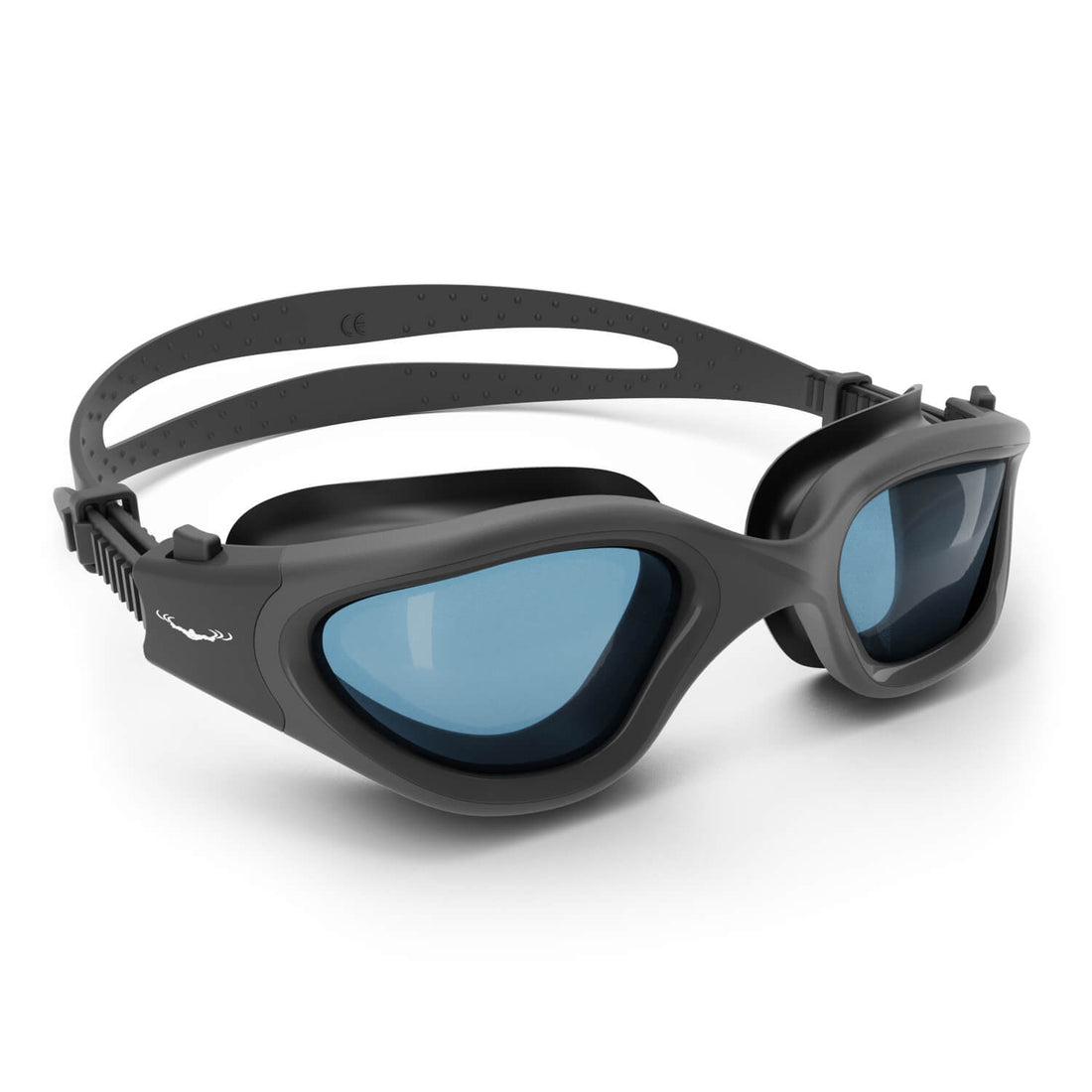
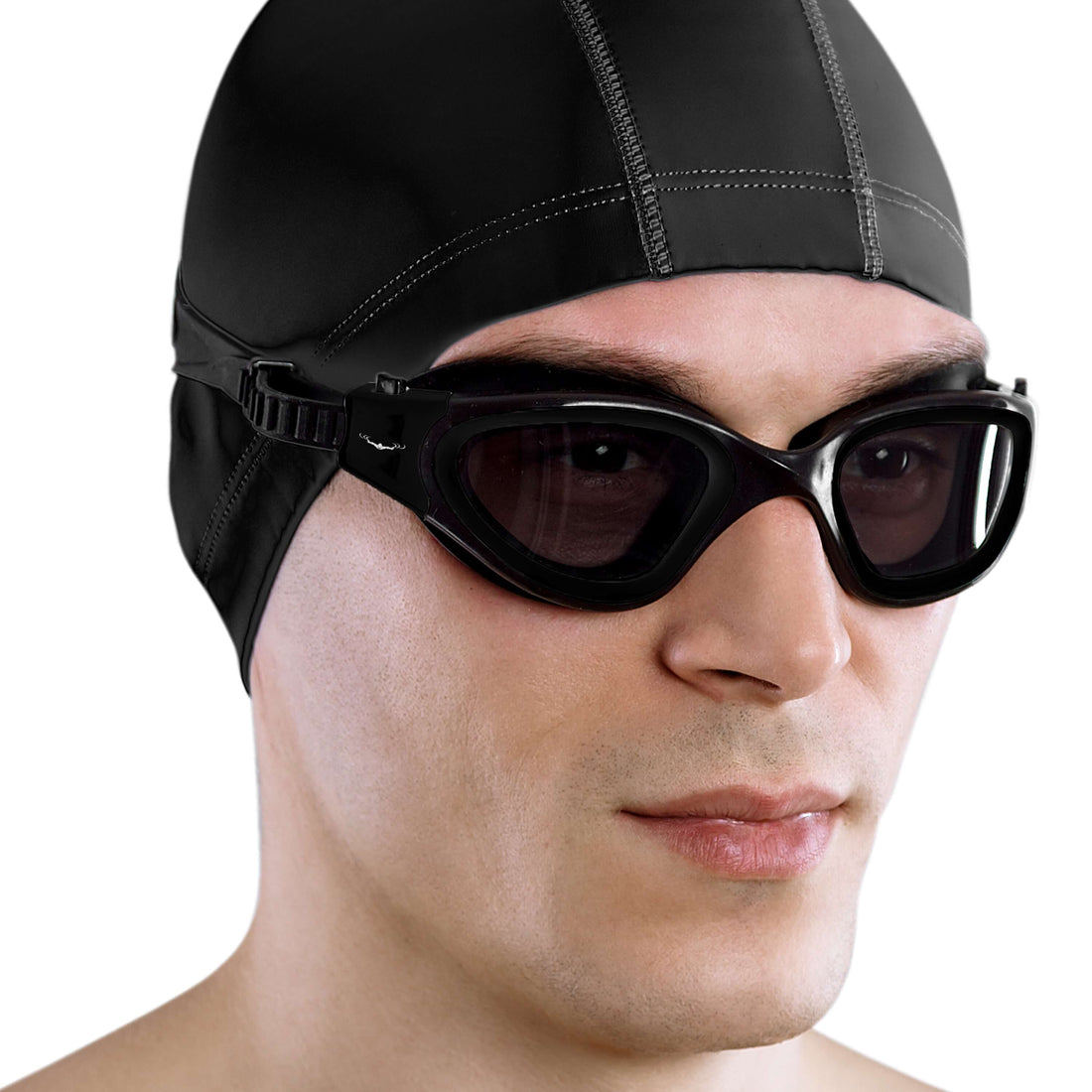
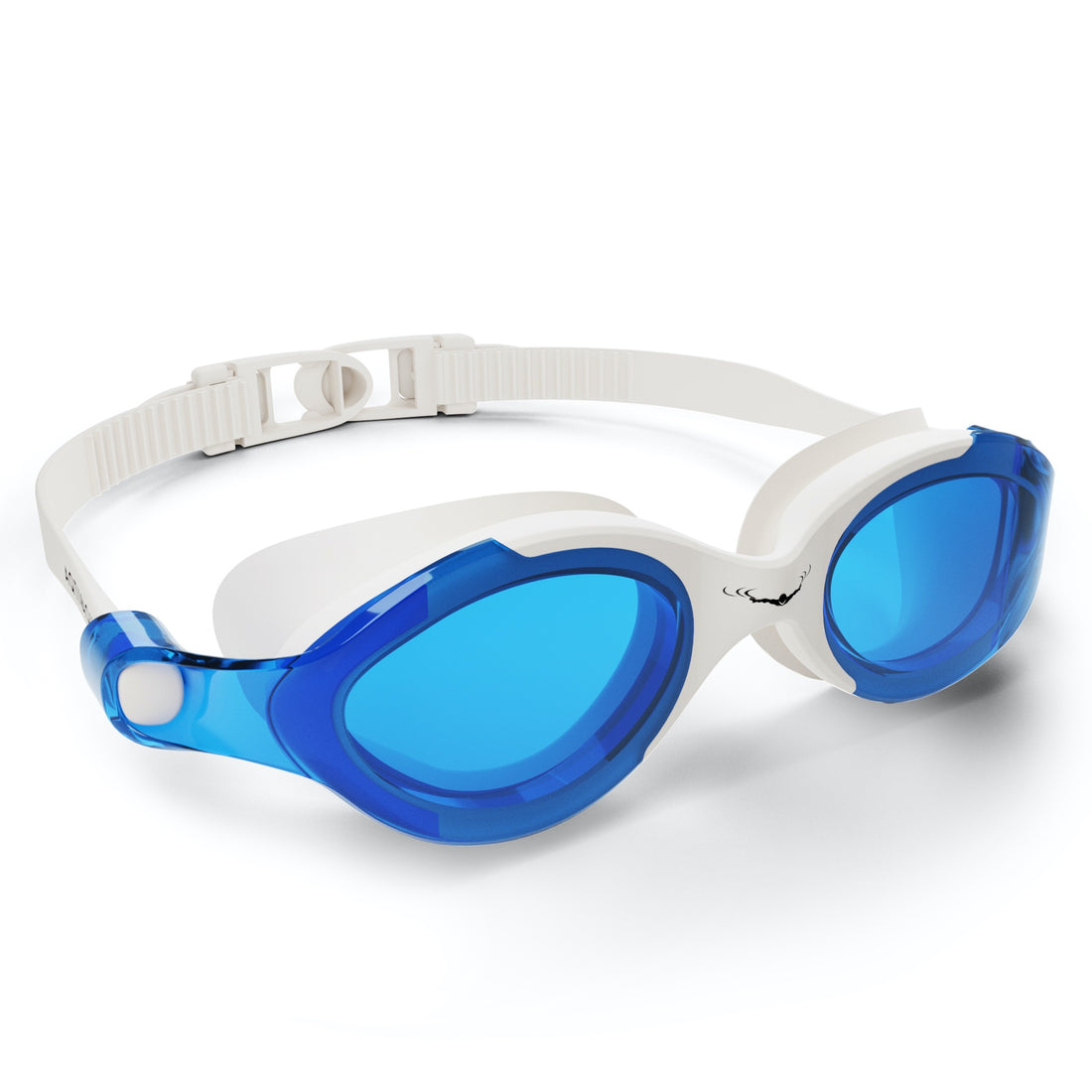
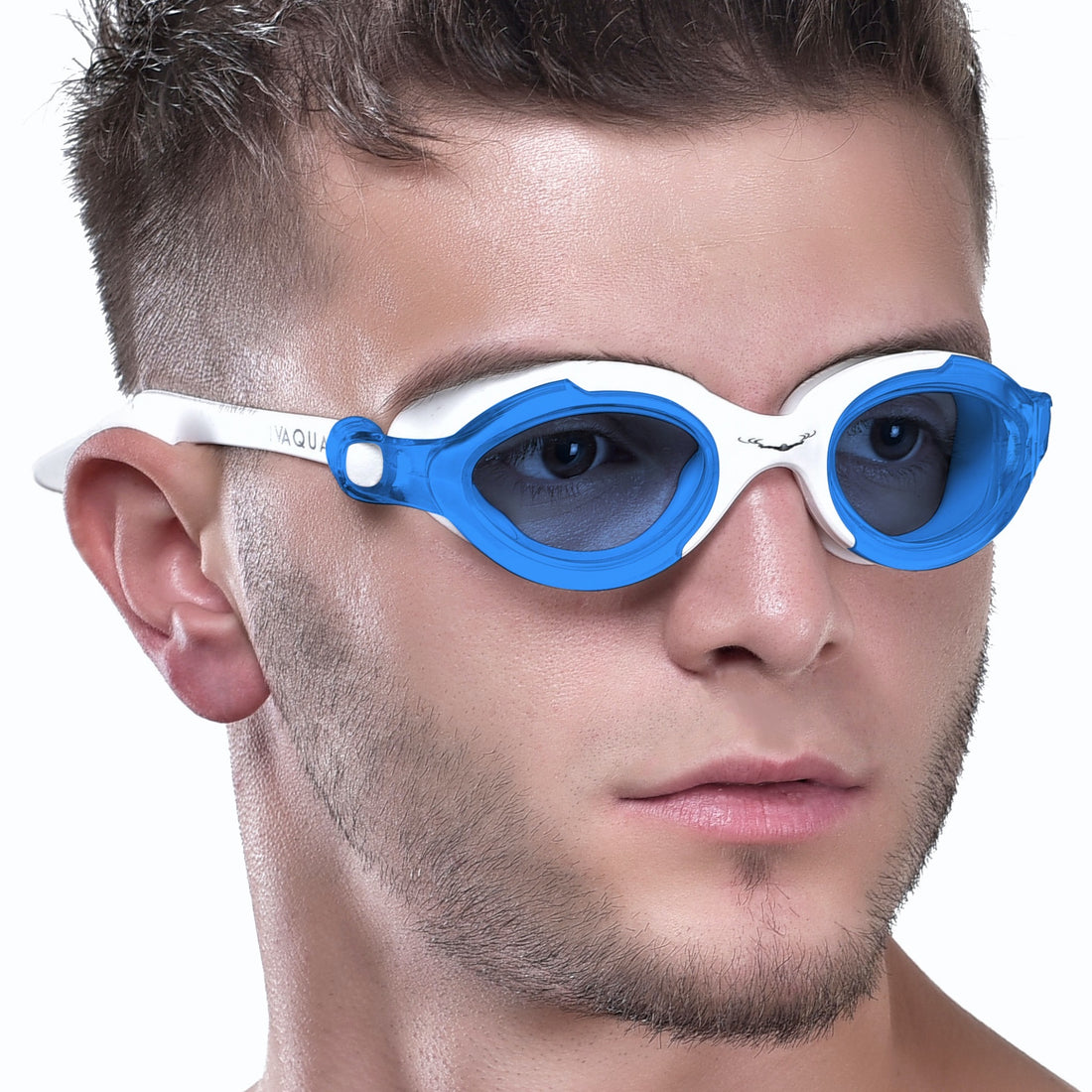
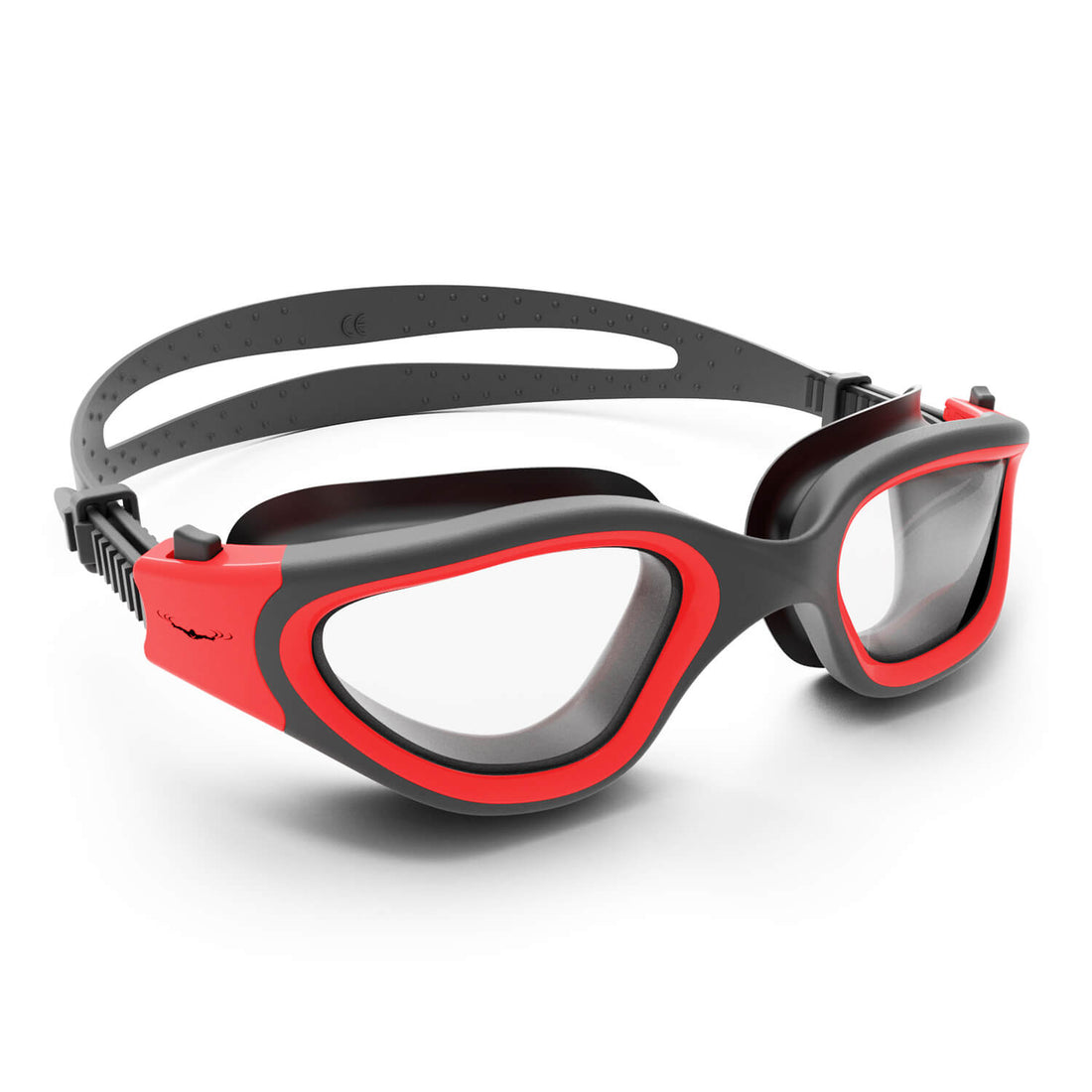
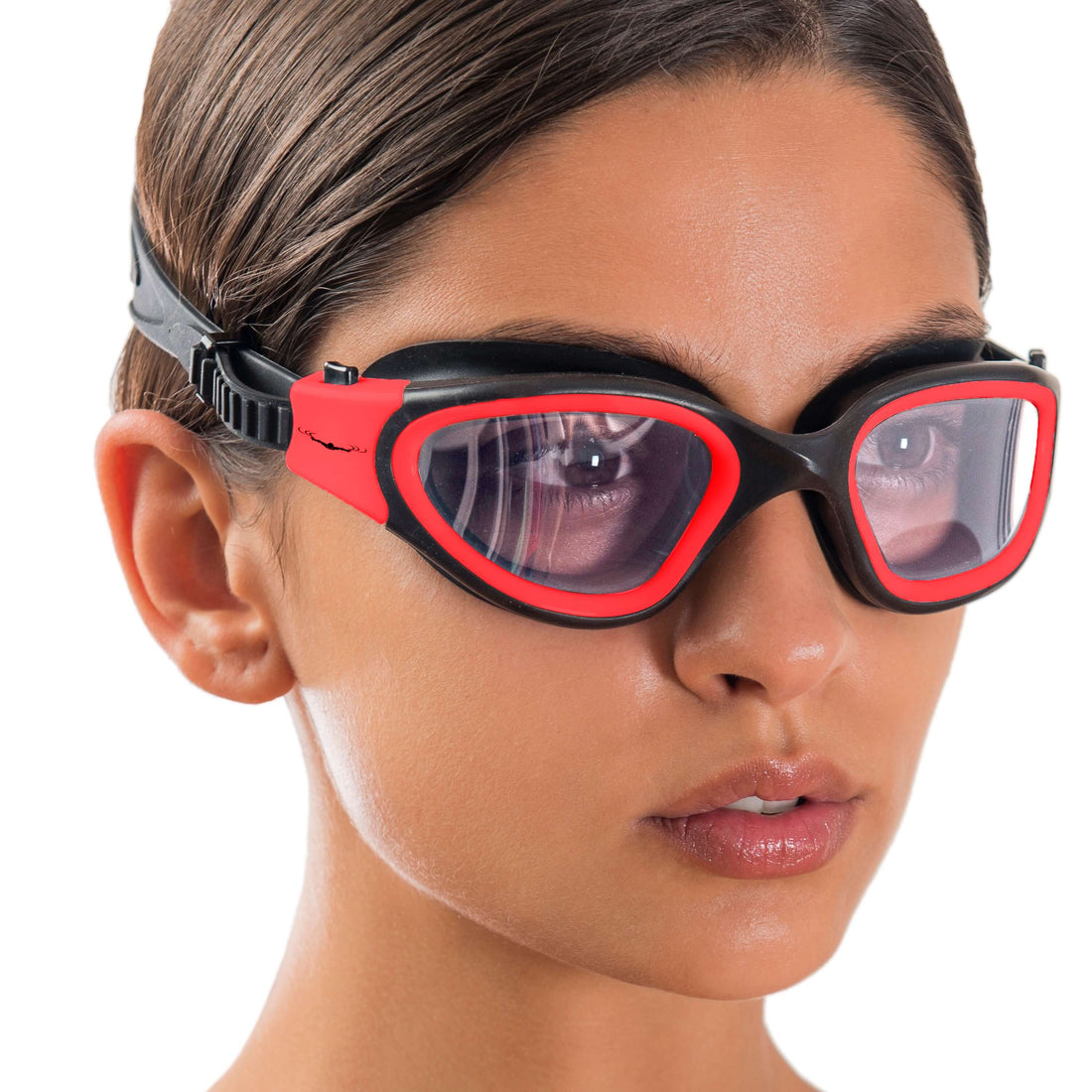
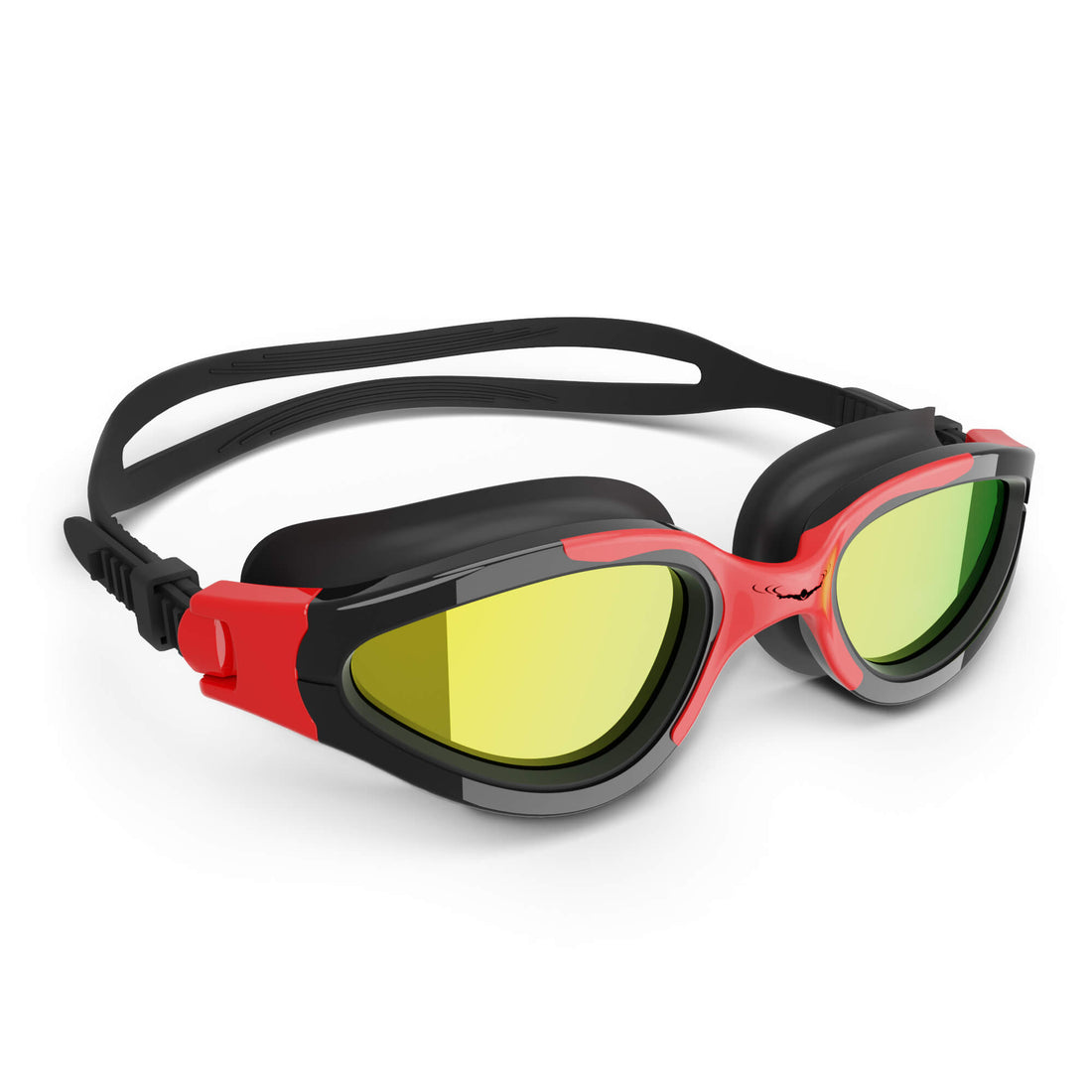
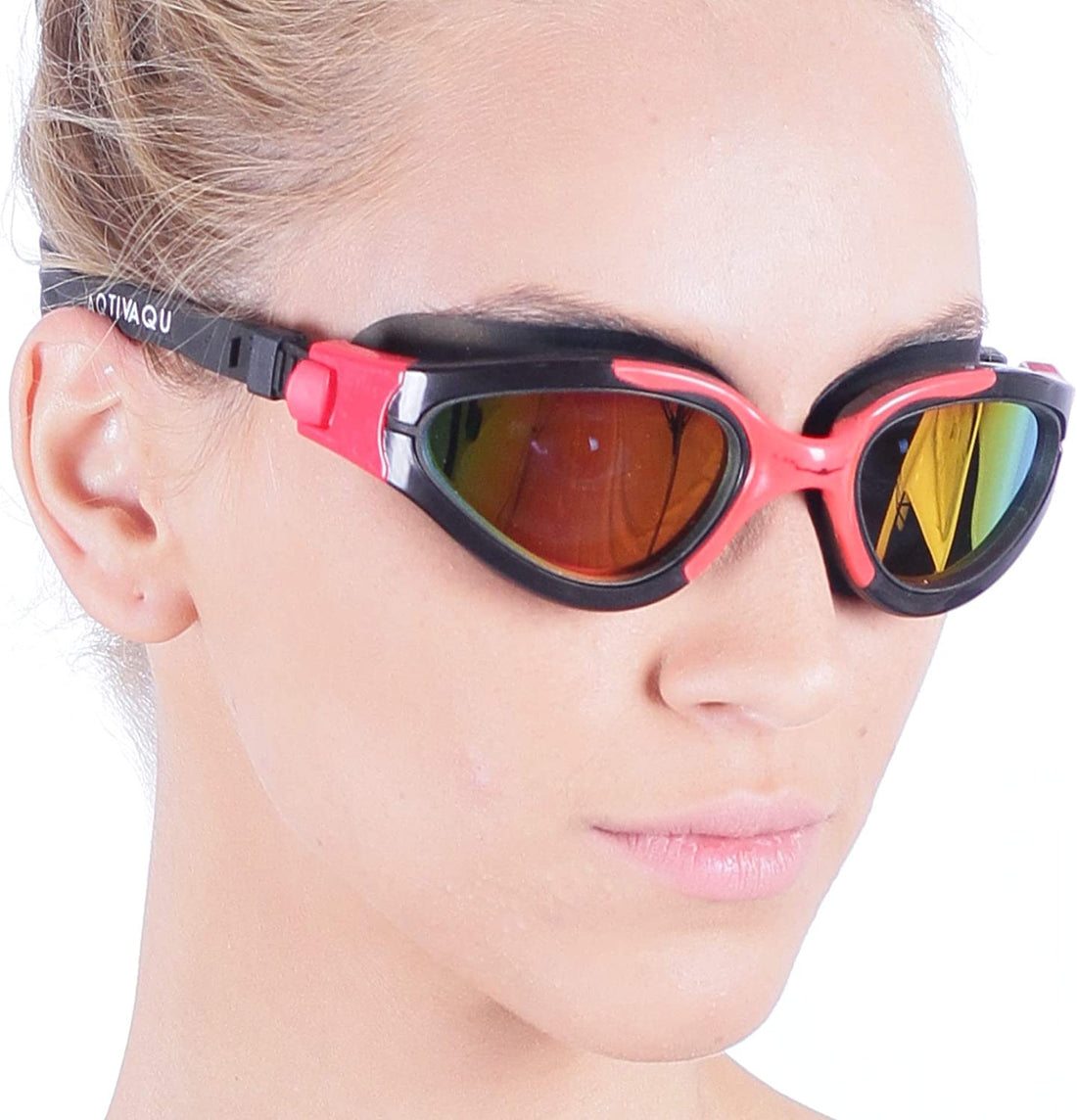
Quality swim goggles improve visibility and comfort, allowing you to focus on your technique without distraction.
Swimming Caps
Wearing swimming caps can help reduce drag in the water and keep your hair streamlined during swims. They also help in maintaining hygiene in pool settings.
Track Your Progress
To ensure that your training schedule is effective, track your progress regularly. Consider keeping a training log that notes your workouts, times, and any comments about how you felt. This will help you recognize patterns, adapt your schedule, and make necessary improvements.
Stay Motivated
Swimming can be a demanding sport both physically and mentally, so keeping motivation high is essential. Here are some tips:
- Set milestones and celebrate when you achieve them.
- Find a training partner for accountability.
- Mix up your swimming routes or training locations.
- Join a local swimming club or team for camaraderie.
Incorporating Cross-Training
To enhance your swimming, consider including cross-training activities. These can help improve overall fitness and prevent burnout:
- Running: Enhances cardiovascular fitness.
- Cycling: Builds strength and endurance without added impact.
- Yoga: Improves flexibility and mental focus.
Ready to Dive In?
Creating a training schedule for swimmers is not only about sticking to a plan but also about being adaptive and responsive to one’s own needs. Utilizing goal-setting, monitoring progress, and managing time effectively ensures that the swimmer is not just training hard but training smart. Remember, with adherence to your training schedule and the right mindset, you’ll be well on your way to achieving your swimming ambitions.
Frequently Asked Questions
1. Why is creating a training schedule important for swimmers?
2. What are the key elements to consider in a training schedule?
3. What types of goals should swimmers set in their training?
4. How can a swimmer incorporate flexibility into their training schedule?
5. What role does nutrition play in a swimmer's training?
Glossary
| Term | Meaning |
|---|---|
| Training Schedule | A structured plan outlining swim workouts and goals. |
| Goals | Specific targets for improvement in swimming performance. |
| Frequency | Number of training days per week based on commitment. |
| Duration | Length of each training session in time. |
| Variety | Diverse workouts to enhance engagement and skills. |
| SMART Goals | Specific, Measurable, Achievable, Relevant, Time-bound objectives. |
| Endurance | The ability to swim longer distances effectively. |
| Speed Work | High-intensity training focused on improving speed. |
| Dry Land Training | Exercises outside the pool to build strength and flexibility. |
| Nutrition | Dietary choices that support performance and recovery. |
Linked Product

DX Wide View Swim Goggles + SHOCK Protective Case
The DX Wide View Swim Goggles feature clear, untinted 180° polycarbonate lenses for optimal visibility in indoor pools and low-light conditions, allowing swimmers to focus on their technique. With advanced anti-fog technology and a leak-free design, these goggles provide a comfortable fit that stays secure during intense training sessions. The included SHOCK protective case ensures quick-dry storage, making it a practical choice for regular swimmers.
View Product