

Overview
Recovering from an injury or managing chronic pain can be challenging, but therapeutic swimming offers a refreshing and effective solution. This gentle yet powerful form of exercise alleviates joint pressure, enhances strength and flexibility, and promotes mental well-being. By integrating therapeutic swimming into your rehabilitation routine, you can experience a holistic approach to recovery that fosters both physical and emotional resilience.
Table of Contents
- The Basics of Therapeutic Swimming
- Benefits of Therapeutic Swimming
- 1. Joint Relief and Reduced Pain
- 2. Enhanced Strength and Flexibility
- 3. Cardiovascular Benefits
- 4. Mental Health Advantages
- 5. Social Interaction
- Equipment to Enhance Your Experience
- Safety First!
- Getting Started with Therapeutic Swimming
- Embrace the Journey Ahead
Key Takeaways
- Joint Relief: Therapeutic swimming reduces joint pain and facilitates movement by providing buoyancy, making it ideal for those recovering from injuries or managing arthritis.
- Strength and Flexibility: Regular sessions enhance muscle strength and flexibility due to the natural resistance offered by water, benefiting those who find traditional exercises painful.
- Cardiovascular Health: Swimming improves heart rate and endurance without excessive strain, promoting overall cardiovascular health during rehabilitation.
- Mental Health Benefits: The soothing properties of water reduce anxiety and elevate mood, providing a holistic approach to rehabilitation.
- Social Interaction: Therapeutic swimming classes foster community and emotional support, enhancing motivation and shared experiences among participants.
- Essential Equipment: Utilizing proper gear like swimming caps and goggles can enhance comfort and visibility during therapeutic swimming sessions.
- Safety Precautions: Always consult a healthcare professional before starting, choose appropriate facilities, and stay hydrated for a safe swimming experience.
In the realm of rehabilitation, therapeutic swimming has emerged as a powerful tool for recovery. This engaging and holistic approach offers a myriad of benefits that can aid individuals in regaining strength, enhancing mobility, and improving overall well-being. Whether you’re recovering from an injury, managing chronic pain, or seeking a supportive exercise option, therapeutic swimming might just be the solution you need. In this comprehensive guide, we will explore the various advantages of therapeutic swimming and how it can transform your rehabilitation journey.
The Basics of Therapeutic Swimming
Therapeutic swimming utilizes water as a medium to promote physical therapy and exercise for individuals with various health conditions. The buoyancy of water alleviates pressure on the joints, allowing for a safe and comfortable workout environment. To fully engage in this methodology, participants often use swimming caps to enhance their experience, keeping hair out of the face while swimming.
Aside from fostering a soothing experience, therapeutic swimming can be done in numerous settings—be it a pool, lake, or ocean—making it accessible to many. As you consider potential rehabilitation strategies, let's delve deeper into the specific benefits therapeutic swimming holds.
Benefits of Therapeutic Swimming
1. Joint Relief and Reduced Pain
One of the most significant advantages of therapeutic swimming lies in its ability to reduce joint pain and facilitate movement without the stress that is often associated with weight-bearing activities. Water provides a gentle resistance, allowing individuals to strengthen their muscles while minimizing the risk of injury.
This gentle support system helps in reducing inflammation and alleviating pain, making it particularly beneficial for individuals recovering from surgery, arthritis, or sports-related injuries.
2. Enhanced Strength and Flexibility
Regularly engaging in therapeutic swimming sessions can help improve strength and flexibility. The water acts as a natural resistance tool, requiring muscles to work harder during movements. This resistance builds strength effectively, particularly for individuals who may find traditional weightlifting exercises painful or difficult.
Moreover, the gentle stretches that swimming promotes can enhance overall flexibility. As you glide through the water, your body naturally engages in movements that promote elongation of muscle fibers, helping to increase the range of motion over time.
3. Cardiovascular Benefits
Engaging in swimming as a form of therapy also carries a host of cardiovascular benefits. Swimming elevates the heart rate, helping to improve overall cardiovascular health and endurance. Individuals can achieve a good cardiovascular workout without putting excess strain on their bodies, making it an ideal exercise regime for those recovering from injuries or managing chronic conditions.
Improved cardiovascular function also aids in the overall rehabilitation process, ensuring that your body remains strong and resilient as you recover.
4. Mental Health Advantages
Therapeutic swimming also has notable mental health benefits, acting as a natural mood enhancer. The soothing properties of water can promote relaxation, reduce anxiety, and elevate mood through the release of endorphins.
The immersive experience of swimming can also provide valuable distractions from pain and discomfort, allowing individuals to focus more on their rehabilitation journey rather than their limitations. Pairing the physical benefits with mental respite makes therapeutic swimming a powerful tool for holistic well-being.
5. Social Interaction
Participating in swimming therapy classes often offers a unique opportunity to engage with others facing similar challenges. This social interaction can profoundly improve motivation, sharing of experiences, and emotional support.
These classes can also provide a sense of community, allowing individuals to connect, form friendships, and encourage each other as they navigate through their rehabilitation process. Such support can be an invaluable aspect of healing.
Equipment to Enhance Your Experience
Utilizing the right equipment can enhance your therapeutic swimming experience. Consider the following items:
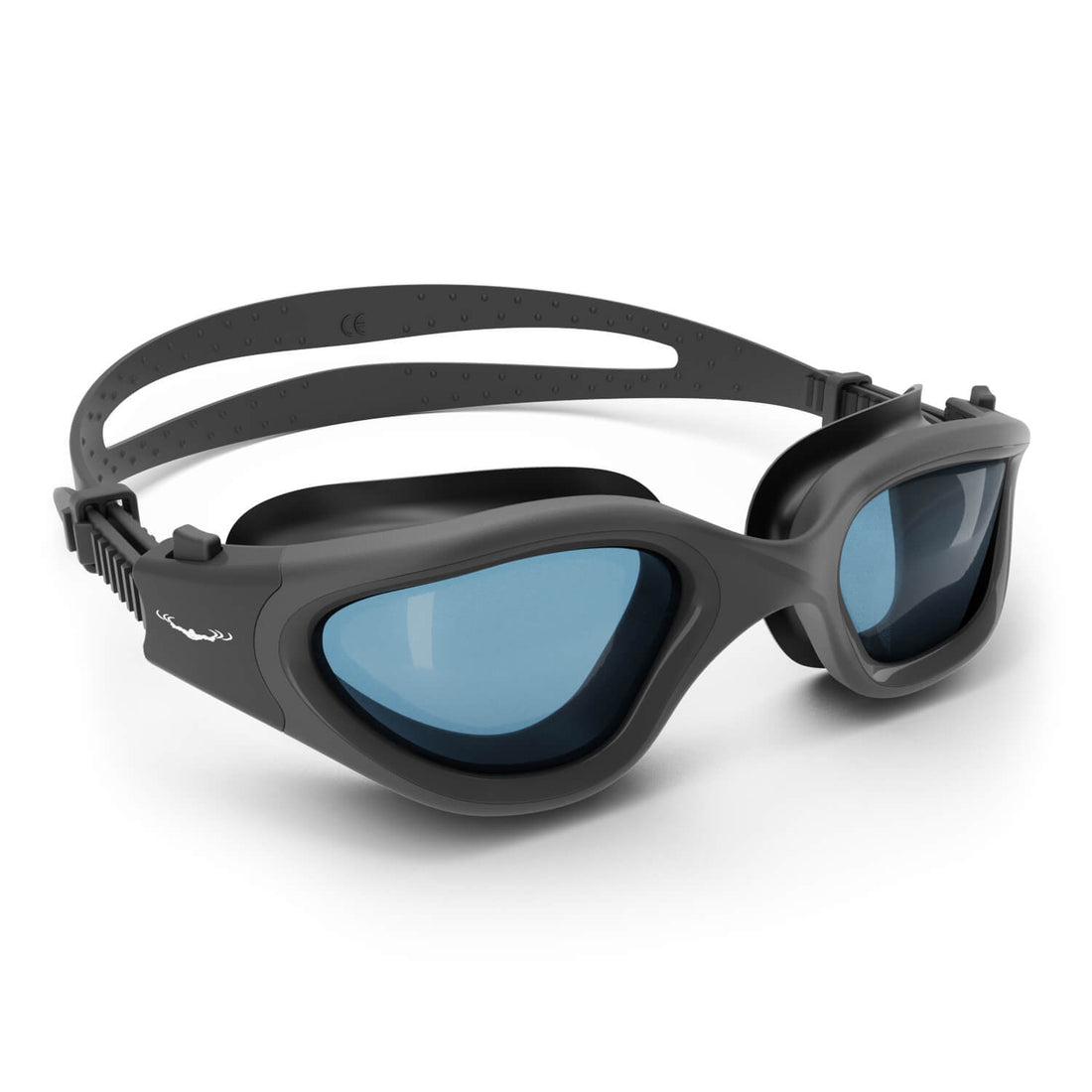
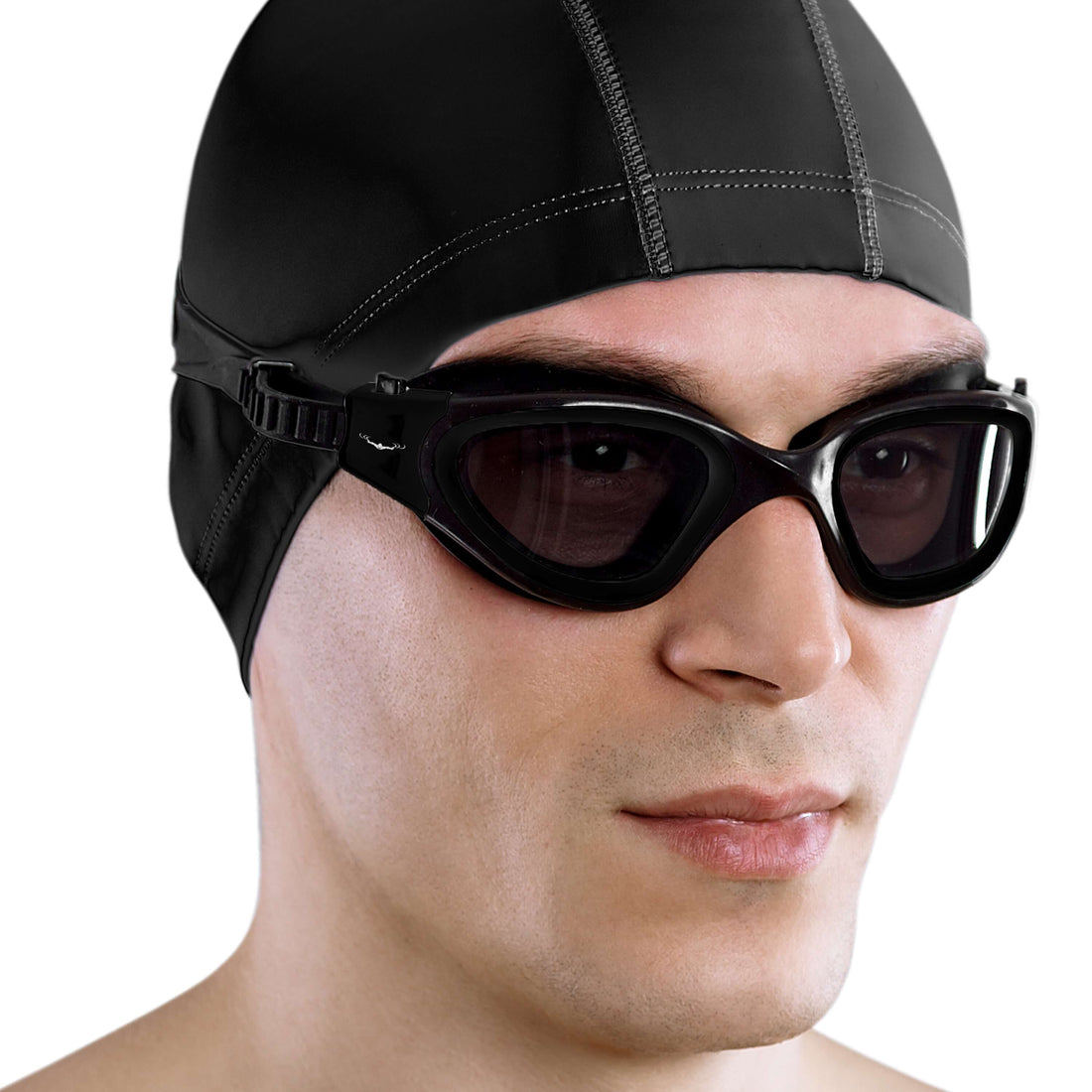
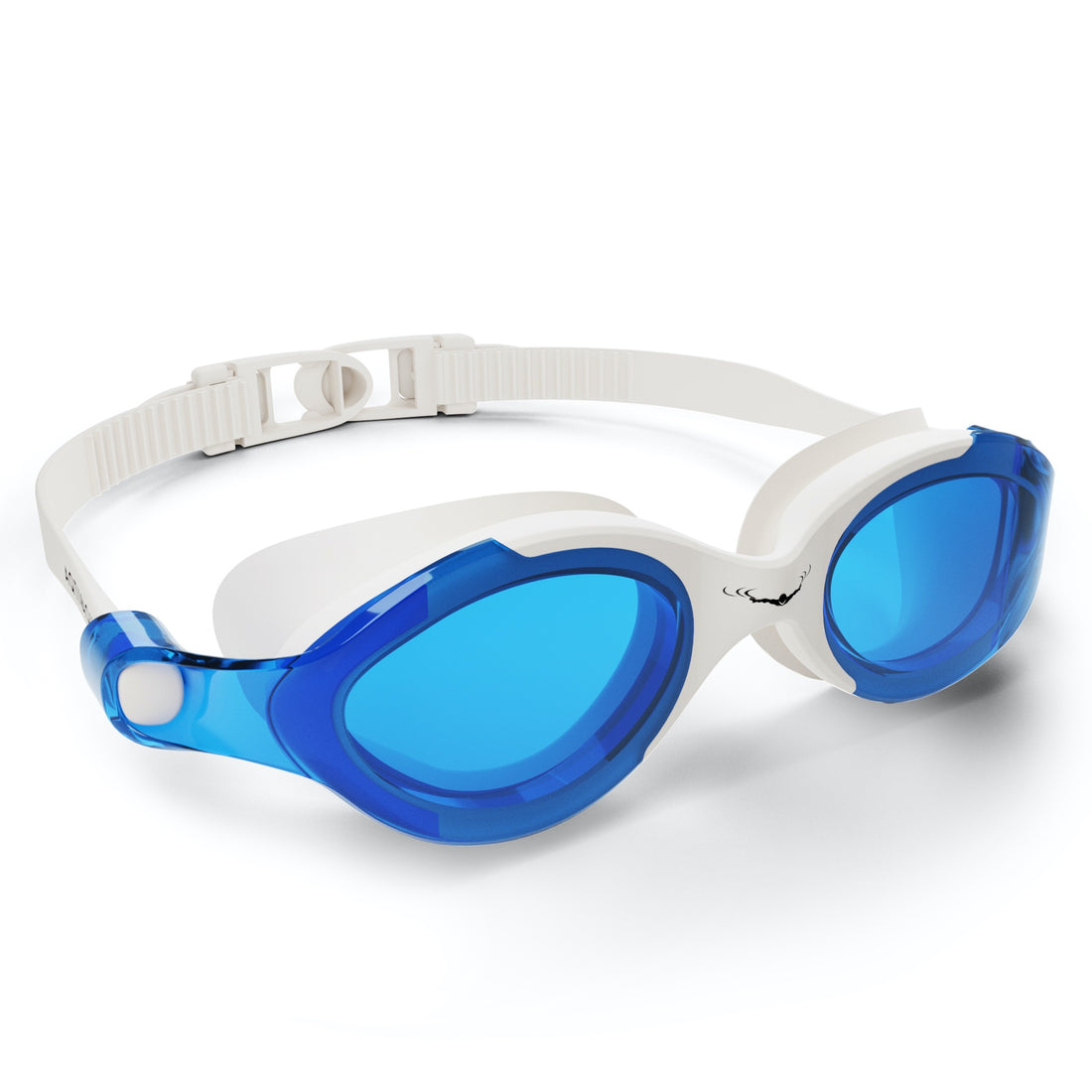
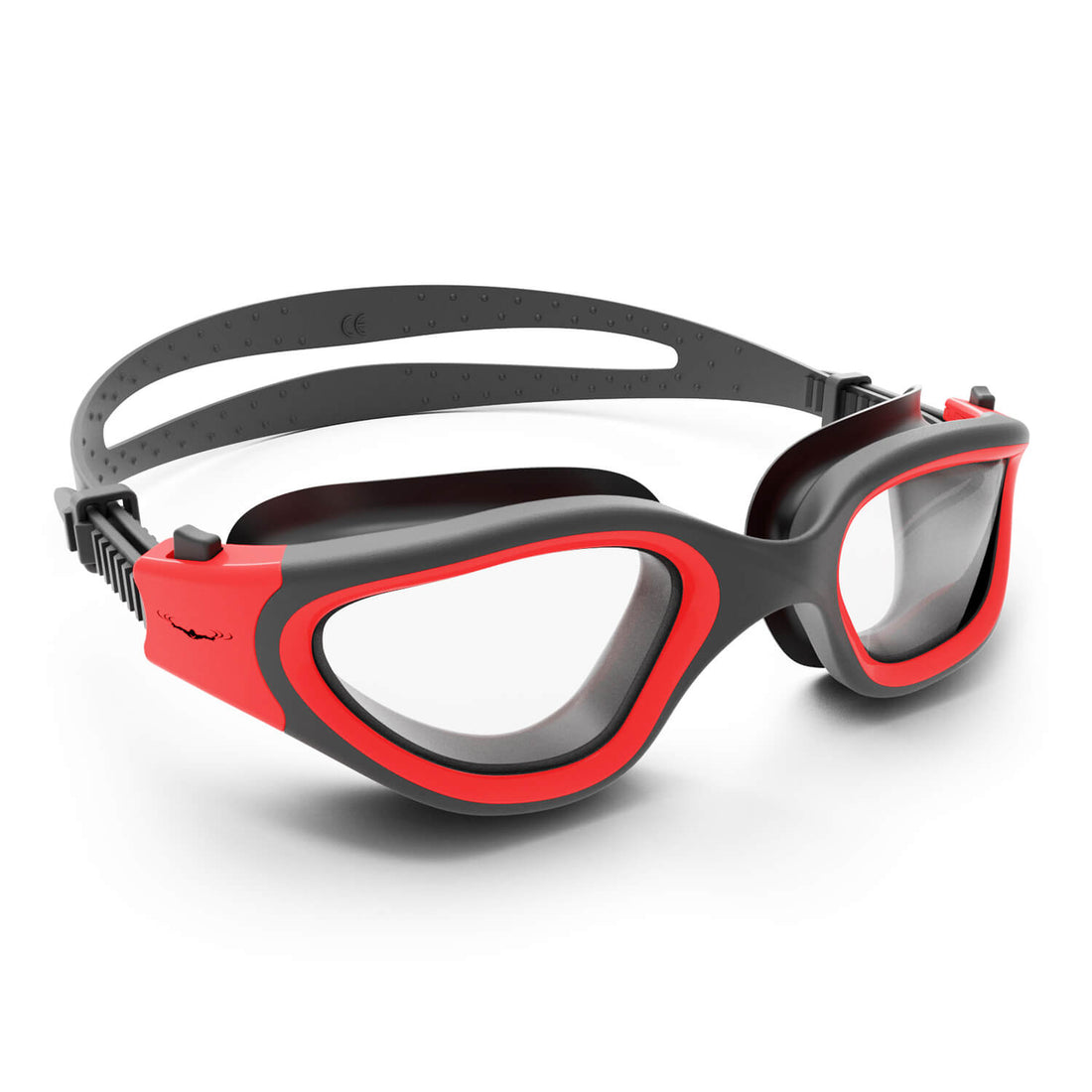
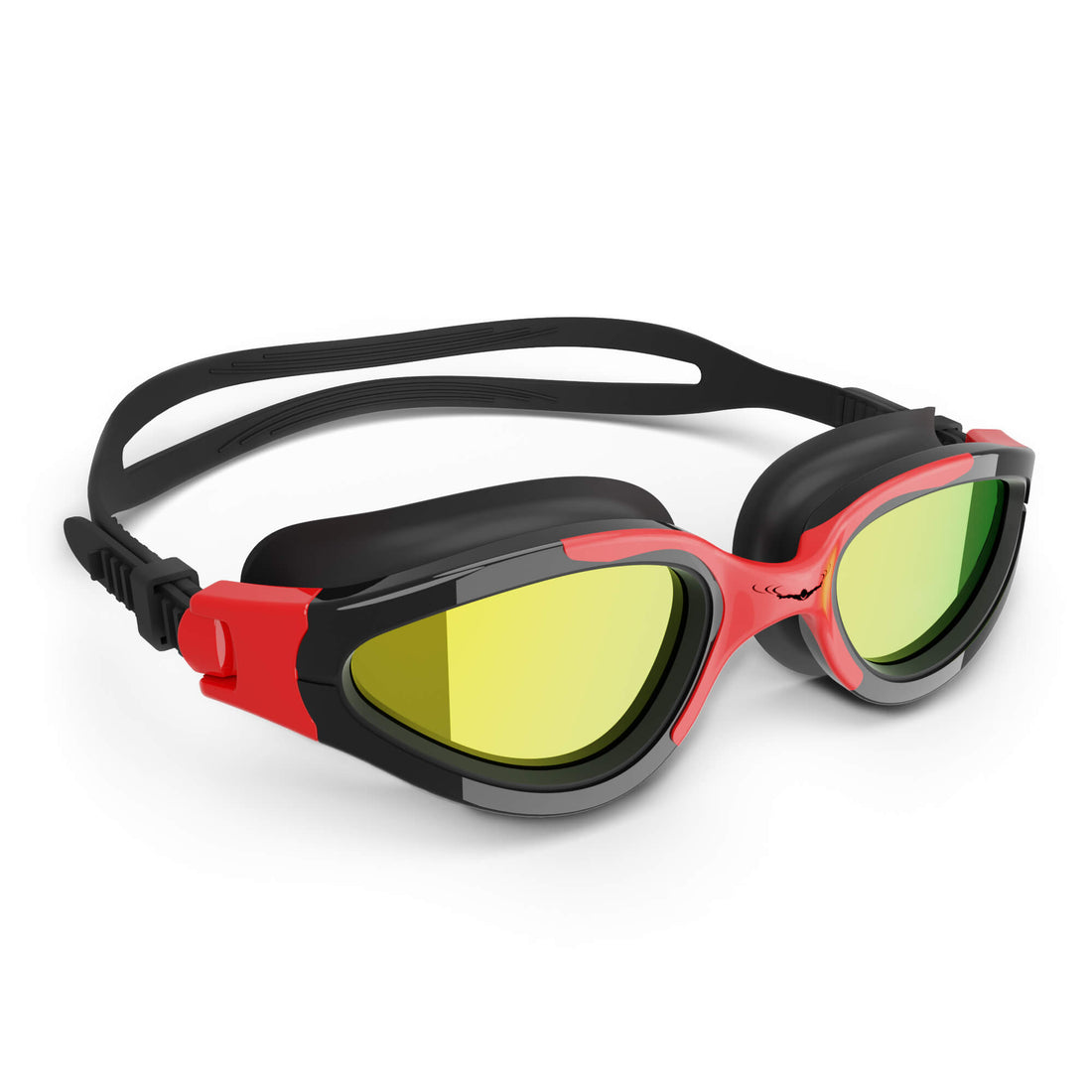
- 180-Degree Swim Goggles: Designed for comfort and clear visibility, these goggles allow you to see everything and maintain focus on your movements without distractions.
- Swimming Caps: Keeping your hair secure in the water is essential, and stylish swimming caps add an extra layer of fun to your sessions.
- Kickboards: Using kickboards can help strengthen leg muscles and improve buoyancy, making it easier to engage in various swimming techniques.
- Buoyancy Belts: These devices provide extra lift, supporting your body as you work through different swimming strokes.
Safety First!
While therapeutic swimming offers numerous benefits, safety should always be a top priority. Here are some tips to ensure a safe swimming experience:
- Consult with a Professional: Before starting any therapeutic swimming program, consult with a healthcare professional or a certified therapist familiar with aquatic rehabilitation.
- Choose Appropriate Locations: Select pools that are specifically designed for therapeutic purposes or those with warm water, as this can enhance comfort.
- Wear Proper Gear: Ensure you have the right equipment, such as swimming caps and well-fitted 180-degree swim goggles, to enhance your comfort and visibility.
- Stay Hydrated: Even while swimming, it’s important to drink water to maintain hydration and overall health.
Getting Started with Therapeutic Swimming
If you’re interested in diving into the world of therapeutic swimming, here are some steps to help you get started:
- Set Your Goals: Determine what you want to achieve through therapeutic swimming, whether it’s pain relief, increased strength, improved flexibility, or enhanced mental well-being.
- Find a Suitable Facility: Research local pools offering therapeutic swimming sessions or programs that cater to individuals with specific health needs.
- Work with a Qualified Trainer: Hiring a trained aquatic therapist can help guide you through tailored exercises to suit your unique requirements.
- Invest in the Right Gear: Equip yourself with essential swimming gear, including 180-degree swim goggles and a comfortable swimming cap, to streamline your experience.
- Schedule Regular Sessions: Consistency is key to effective rehabilitation. Schedule regular sessions to maintain progress and stay motivated.
Embrace the Journey Ahead
As you embark on your therapeutic swimming journey, remember that healing and recovery take time. The water offers a sanctuary where you can nourish your body and mind. By integrating this engaging practice into your rehabilitation routine, you’ll discover new pathways to health and wellness.
Therapeutic swimming not only provides physical benefits but also fosters mental resilience, emotional support, and social connections. The balance offered through engaging in this enriching activity can vastly improve your quality of life and guide you toward your rehabilitation goals.
So, equip yourself with the right gear, whether it’s comfortable swimming caps or reliable 180-degree swim goggles, and plunge into the refreshing world of therapeutic swimming! Your journey to recovery has never been so enjoyable!
Frequently Asked Questions
1. What is therapeutic swimming?
2. What are the benefits of therapeutic swimming?
3. What equipment do I need for therapeutic swimming?
4. How can I safely start therapeutic swimming?
5. How should I approach my rehabilitation goals with therapeutic swimming?
Glossary
| Term | Meaning |
|---|---|
| Therapeutic Swimming | A form of exercise using water to aid recovery and improve health. |
| Buoyancy | The ability of water to support the body, reducing joint stress. |
| Joint Relief | Reduction of pain and discomfort in joints through low-impact exercise. |
| Cardiovascular Benefits | Improved heart health and endurance from swimming activities. |
| Mental Health Advantages | Enhanced mood and reduced anxiety through soothing water immersion. |
| Swimming Caps | Headwear to keep hair secure and out of the face while swimming. |
| Kickboards | Floating devices used to strengthen leg muscles during swimming. |
| Buoyancy Belts | Supportive devices that provide lift while swimming. |
| Qualified Trainer | A professional who guides individuals in therapeutic swimming exercises. |
| Safety First | Prioritizing precautions to ensure a safe swimming experience. |
Linked Product

DX Wide View Swim Goggles + SHOCK Protective Case
The DX Wide View Swim Goggles feature clear, untinted 180° polycarbonate lenses that provide true-color visibility, making them ideal for indoor pools and low-light conditions. With advanced anti-fog technology and UV400 protection, these goggles ensure crisp vision both above and below water. Their soft, flexible double-seals offer leak-free comfort, while the quick-adjust split Y-strap and one-click buckle allow for a secure fit during intense swimming sessions.
View Product