

Overview
Swimming is an essential cross-training method for athletes, offering benefits like improved cardiovascular endurance, enhanced muscle strength, and reduced injury risk. Incorporating swimming into your training routine can boost performance and mental resilience. Key tips include setting clear goals, structuring workouts, and using proper gear. Additionally, pairing swimming with strength training and flexibility work can maximize benefits. Embrace swimming to elevate your athletic game and achieve a competitive edge.
Table of Contents
- Why Swimming is Essential for Athletes
- Improves Cardiovascular Endurance
- Enhances Muscle Strength
- Reduces Risk of Injury
- Incorporating Swimming into Your Cross-Training Routine
- Set Clear Goals
- Structure Your Workouts
- Don't Forget Your Gear
- Swimming Techniques for Athletes
- Focus on Body Position
- Effective Breathing Techniques
- Drills for Improvement
- Supplementing Swimming with Other Training
- Cross-Train with Flexibility Work
- Mix it Up with Strength Training
- Incorporate Speed and Agility Drills
- Psychological Benefits of Swimming
- Stress Relief
- Building Mental Toughness
- Teamwork and Community
- Embracing a Holistic Approach
- Nourish Your Body
- Listen to Your Body
- Consistency is Key
- Making Waves in Your Training
Key Takeaways
- Boosts Cardiovascular Endurance: Regular swimming enhances lung capacity and blood circulation, improving stamina for competitions.
- Strengthens Muscles: The resistance of water provides an effective way to build and tone muscles without high impact on joints.
- Reduces Injury Risk: Swimming is low-impact, alleviating stress on the body and helping prevent injuries during training.
- Structured Workouts: Incorporate warm-ups, main sets, and cool-downs in your swimming routine for maximum benefits.
- Focus on Technique: Proper body position and effective breathing techniques enhance swimming efficiency and performance.
- Complement with Other Training: Pair swimming with strength training and flexibility work to improve overall athletic performance.
- Psychological Benefits: Swimming aids in stress relief and builds mental toughness, essential for competitive success.
In the world of athletics, versatility is key. Every athlete, regardless of the sport, is always on the lookout for effective ways to enhance their performance and reduce the risk of injury. One of the most underrated yet highly beneficial cross-training methods is swimming. While many athletes focus on weightlifting or running, swimming provides a unique blend of cardiovascular conditioning, strength training, and flexibility enhancement that can be a game changer. This article delves deep into the role of swimming in cross-training for athletes, and offers insights on how to make the most of it. We'll even touch on essential accessories like swim goggles and swimming caps that can make your aquatic training experience more enjoyable!
Why Swimming is Essential for Athletes
Swimming is often considered a full-body workout that engages multiple muscle groups while providing a low-impact alternative to more traditional forms of training. Let’s explore the several ways swimming can complement your athletic regimen:
Improves Cardiovascular Endurance
One of the primary benefits of swimming is that it significantly boosts cardiovascular endurance. Athletes need to maintain their stamina during competitions, and regular swimming workouts can enhance lung capacity and blood circulation, enabling longer training times and better performance.
Enhances Muscle Strength
Resistance training doesn’t have to happen only on land. Water is approximately 800 times denser than air, meaning that any movement you make in the pool is met with resistance. This resistance helps to build and tone muscles effectively, providing a strength-training component that benefits athletes in numerous sports.
Reduces Risk of Injury
Unlike high-impact sports, swimming is gentler on the joints. The buoyancy of water alleviates stress on the body, allowing athletes to train hard while minimizing the risk of injury. This is especially important for those recovering from injuries or looking to prevent future ones.
Incorporating Swimming into Your Cross-Training Routine
Now that we understand why swimming is so beneficial for athletes, let’s discuss how to effectively incorporate it into your training routine. The following tips can help you maximize the advantages of swimming:
Set Clear Goals
Before diving into the pool, it's essential to have a clear vision of what you want to achieve with your swimming sessions. Whether your goal is to enhance endurance, improve muscle strength, or simply recover from a tough workout, having a plan will help you stay focused.
Structure Your Workouts
A well-structured swimming workout may include a mix of warm-ups, main sets, and cool-downs. Here’s a basic framework:
- Warm-Up: Begin with slower-paced swimming to ease your body into the workout. For example, 5-10 minutes of easy front crawl or breaststroke.
- Main Set: This can include various intervals, such as sprint sets, distance swims, or technique drills. Vary your strokes to engage different muscle groups.
- Cool Down: Conclude your session with a slow swim to help your body recover and remove lactic acid build-up.
Don't Forget Your Gear
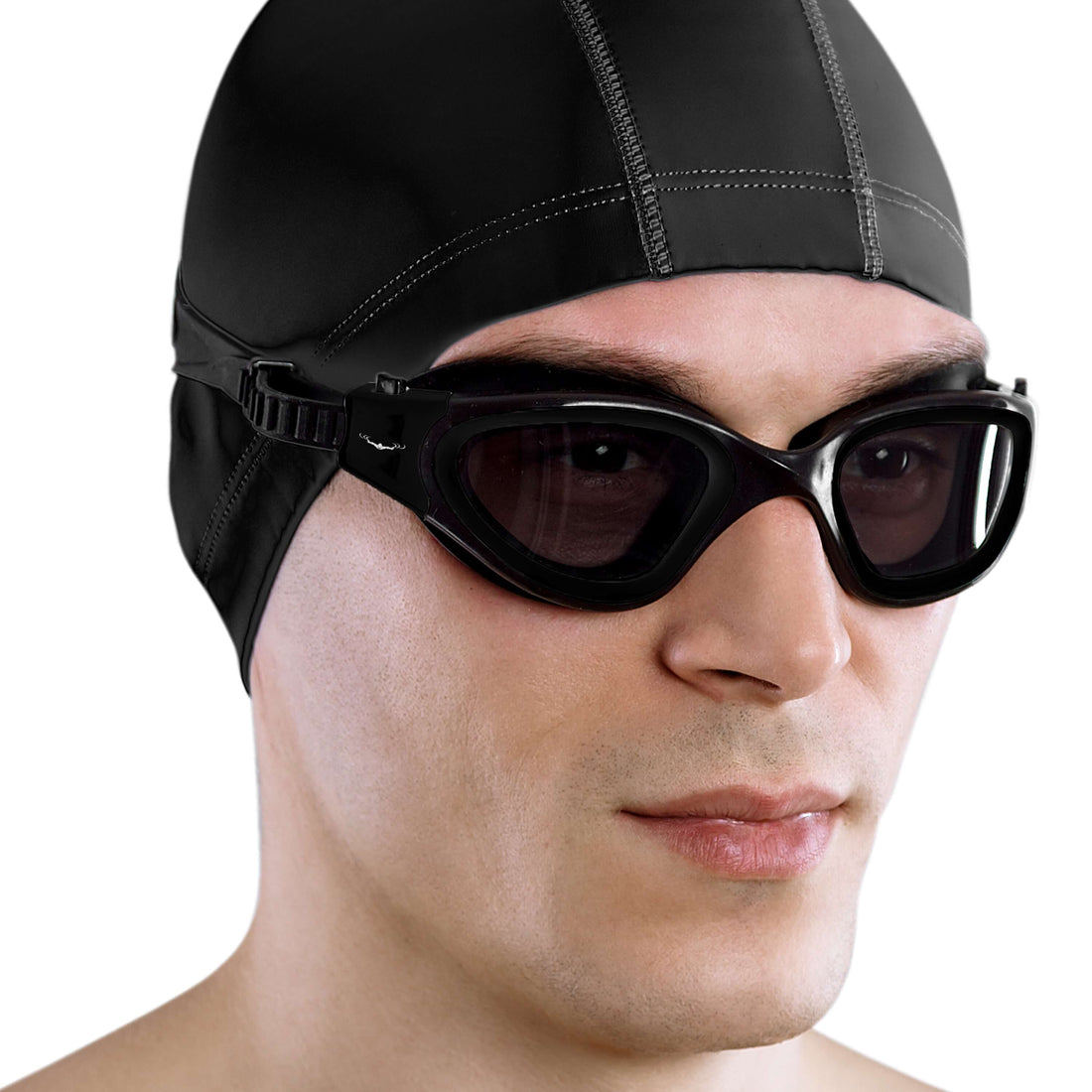
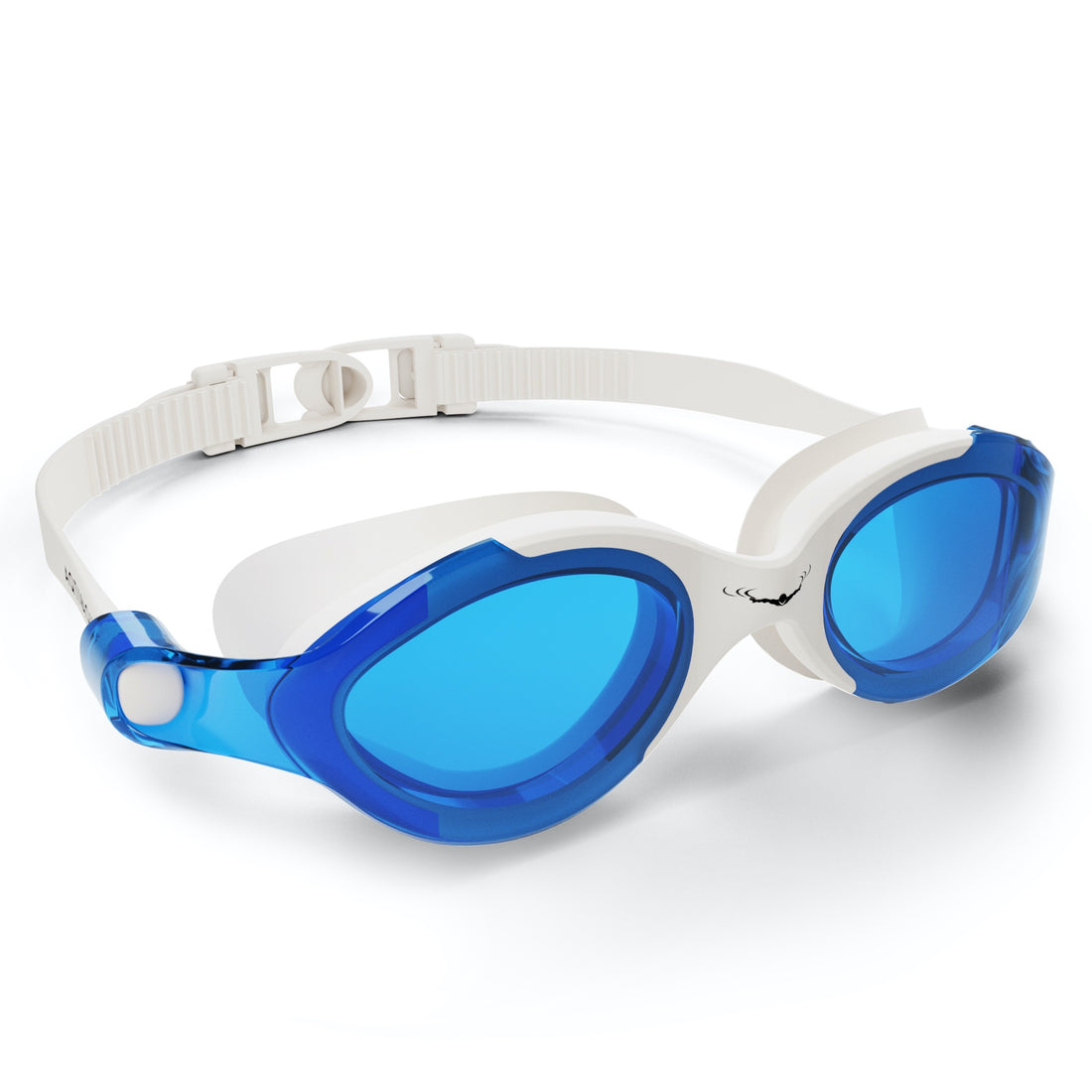
The right equipment can significantly enhance your swimming experience. Investing in a quality pair of swim goggles can improve visibility and comfort while swimming, allowing you to focus on your performance. Additionally, using swimming caps not only reduces drag but also keeps your hair protected, enabling a more efficient swim.
Swimming Techniques for Athletes
To maximize the benefits of swimming, it's crucial to focus on proper techniques. Improving your swimming form can lead to more effective workouts and better overall results:
Focus on Body Position
Maintaining a streamlined body position in the water reduces resistance and increases speed. Aim to keep your body flat and horizontal, minimizing drag from your arms and legs.
Effective Breathing Techniques
Breathing is vital in swimming. Ensure that you are taking full breaths, timing them with your strokes for optimal efficiency. Practice bilateral breathing (breathing on both sides) to maintain balance in your stroke, especially if you are preparing for events where sighting is important.
Drills for Improvement
Incorporate specific drills into your routine to address weaknesses. For example:
- Kickboard Drills: Focus on leg strength and kicking technique.
- PULL Buoys: These can isolate your upper body to improve arm strength while taking your legs out of the equation.
- Stroke Technique Drills: Work on one aspect of your stroke at a time, such as hand entry, catch, or pull.
Supplementing Swimming with Other Training
While swimming is incredibly beneficial as a standalone workout, it shines even more brightly when paired with other training modalities. To get the best of both worlds, consider these approaches:
Cross-Train with Flexibility Work
The fluid movements involved in swimming enhance flexibility. However, adding yoga or stretching routines can further improve your range of motion and aid in recovery.
Mix it Up with Strength Training
Integrating strength training sessions between swimming workouts can help build muscle and improve performance. Focus on exercises that engage core and stabilization muscles to complement your swimming workouts.
Incorporate Speed and Agility Drills
Speed and agility training can be done both in and out of the water. Land drills such as sprints, plyometrics, and agility ladders can help improve your overall athletic performance, making you a stronger swimmer and competitor.
Psychological Benefits of Swimming
Beyond physical benefits, swimming also provides valuable psychological perks that can enhance overall performance. Here’s how:
Stress Relief
Engaging in swimming can serve as a meditative practice. The rhythmic nature of the strokes combined with the soothing sound of water can relieve stress and help clear the mind, which is crucial in competitive sports.
Building Mental Toughness
Training in the water can present unique challenges, including dealing with your breathing and staying in a proper rhythm. Overcoming these obstacles builds mental resilience—an essential trait for success in any sport.
Teamwork and Community
If you choose to swim in groups or join a swim club, you may benefit from social interaction and motivation. Training alongside others can push you to perform better and foster a sense of community, which is invaluable in any athletic environment.
Embracing a Holistic Approach
To truly harness the power of swimming in your cross-training routine, it’s vital to approach your training holistically. Here are some final thoughts to keep in mind:
Nourish Your Body
Proper hydration and nutrition play a significant role in your swimming performance. Ensure you are fueling your body with quality nutrients to recover effectively and perform at your best.
Listen to Your Body
Remember, cross-training is meant to reduce the risk of injury and enhance recovery. Pay attention to any signs of fatigue or discomfort and adjust your swimming workouts accordingly.
Consistency is Key
Make swimming a consistent part of your training regimen. Over time, incorporating regular swim sessions will pay off in the form of improved physical and mental performance in your primary sport.
Making Waves in Your Training
Swimming is not just an alternative form of exercise; it’s an essential aspect of cross-training that can significantly elevate your athletic game. From improving cardiovascular endurance and strengthening muscles to offering psychological benefits, swimming presents many advantages that athletes of all levels should embrace. By incorporating swimming into your training regime and utilizing essential gear like swim goggles and swimming caps, you can maximize your potential, reduce the risk of injury, and achieve that competitive edge you’re striving for.
So plunge into the deep end of cross-training with swimming and watch as your athletic performance reaches new heights!
Frequently Asked Questions
1. Why is swimming important for athletes?
2. How can athletes incorporate swimming into their training routines?
3. What are some effective swimming techniques for athletes?
4. What psychological benefits does swimming offer to athletes?
5. How can swimming be supplemented with other training methods?
Glossary
| Term | Meaning |
|---|---|
| Cross-Training | Engaging in multiple types of exercise to improve overall performance. |
| Cardiovascular Endurance | The ability of the heart and lungs to supply oxygen during sustained physical activity. |
| Resistance Training | Exercises that improve strength by working against a force. |
| Buoyancy | The ability of water to support the body, reducing impact on joints. |
| Stroke Technique | The specific movements used in swimming to maximize efficiency and speed. |
| Warm-Up | Activities performed to prepare the body for more intense exercise. |
| Cool Down | Gentle exercises to help the body recover after a workout. |
| Kickboard | A flotation device used to focus on leg strength while swimming. |
| PULL Buoy | A device that isolates the upper body during swimming exercises. |
| Mental Toughness | The ability to stay focused and resilient under pressure. |
Linked Product

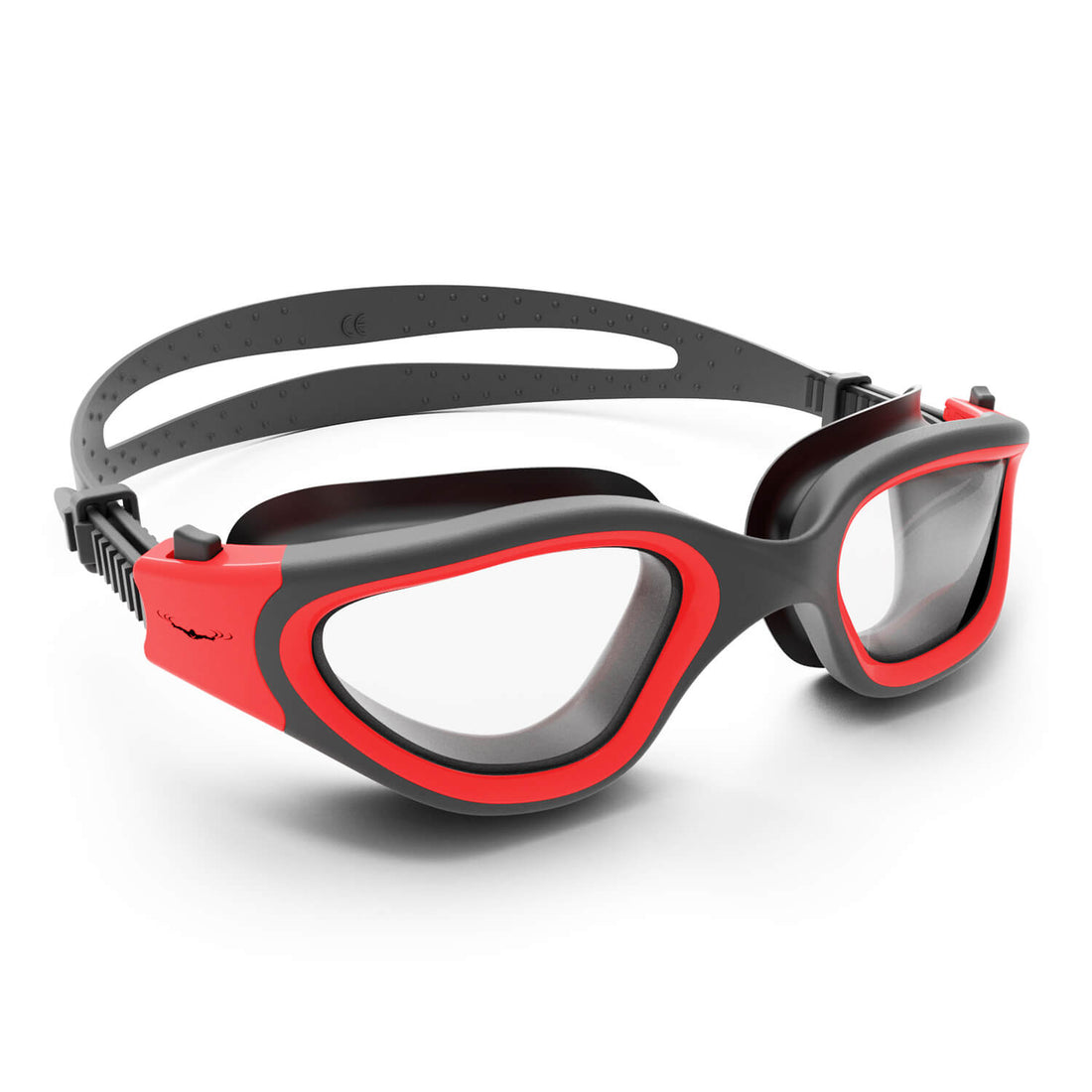
DX Wide View Swim Goggles + SHOCK Protective Case
The DX Wide View Swim Goggles feature clear, untinted 180° polycarbonate lenses for true-color visibility, making them ideal for indoor pools and low-light conditions. With advanced anti-fog technology and a leak-free design, these goggles ensure comfort and sharp vision during your swim workouts. The included SHOCK protective case offers durable storage with quick-dry capabilities, making these goggles a practical choice for regular use.
View Product