

Overview
Competitive swimming demands a blend of discipline, technique, and strategy to excel. By mastering essential strokes, refining techniques, and implementing effective training strategies, swimmers can significantly enhance their performance. Understanding the importance of mental preparation and proper nutrition further empowers athletes to achieve their goals, whether competing locally or aiming for international success.
Table of Contents
- Understanding Competitive Swimming
- Types of Competitive Swimming Strokes
- Essential Techniques for Competitive Swimming
- Streamline Position
- Breathing Techniques
- Kick Technique
- Training Strategies to Enhance Performance
- Interval Training
- Technique Drills
- Strength Training
- Essential Gear for Competitive Swimming
- Swim Goggles
- Swim Caps
- Swim Ear Bands
- The Importance of Mental Preparation
- Visualization Techniques
- Race Day Routine
- Mindfulness and Focus
- Nourishing Your Body for Optimal Performance
- Balanced Diet
- Hydration
- Pre-race Nutrition
- Making the Most of Practice
- Sharing Goals with Your Coach
- Encouragement from Your Peers
- Racing Strategies for Success
- Pacing
- Starts and Turns
- Enhancing Your Swimming Journey
Key Takeaways
- Master the Four Strokes: Focus on perfecting freestyle, backstroke, breaststroke, and butterfly, each requiring unique techniques for optimal performance.
- Implement Interval Training: Use interval training to boost speed and endurance by incorporating high-intensity swimming followed by rest periods.
- Invest in Quality Gear: Essential equipment like swim goggles and caps can enhance performance and comfort during training and competitions.
- Prioritize Mental Preparation: Utilize visualization techniques and mindfulness to build confidence and reduce anxiety on race day.
- Maintain a Balanced Diet: Focus on a diet rich in carbohydrates, proteins, and healthy fats, while ensuring proper hydration for peak performance.
- Communicate with Your Coach: Regularly discuss goals with your coach to tailor training sessions and improve your swimming strategy.
- Practice Starts and Turns: Develop explosive starts and precise turns to minimize time lost during races and enhance overall performance.
Competitive swimming is more than just splashing through water. It combines discipline, technique, and strategy to achieve peak performance. Whether you are a seasoned competitor or a novice swimmer, understanding the intricacies of competitive swimming can elevate your game to new heights. In this comprehensive guide, we will explore various techniques, training strategies, and essential equipment to enhance your swimming experience and performance. So, dive in!
Understanding Competitive Swimming
Competitive swimming includes various strokes, distances, and levels, from local meets to international competitions. Each competition requires a different set of skills and techniques. Embracing the art of competitive swimming means mastering the fundamentals while adapting to the fluctuations and demands of the sport. Let’s break down the essential components that contribute to successful swimming.
Types of Competitive Swimming Strokes
There are four main strokes that competitive swimmers perform, each requiring specific techniques:
- Freestyle: Often referred to as the front crawl, this is the fastest stroke. Swimmers alternate their arms while kicking their legs, maintaining a horizontal position in the water.
- Backstroke: Swimmers lay on their backs and use alternating arm movements while kicking their legs. Proper body rotation and hip movement are essential for effective backstroking.
- Breaststroke: This stroke is characterized by a frog-like kick and simultaneous arm movement. Timing and body position are crucial to maximizing propulsion and minimizing resistance.
- Butterfly: Regarded as one of the most challenging strokes, the butterfly involves simultaneous arm movements and a dolphin kick. Coordination and rhythm are essential to achieving efficiency.
Essential Techniques for Competitive Swimming
Mastering swimming techniques is vital for improving speed and efficiency. Here are some essential techniques to focus on:
Streamline Position
Adopting a proper streamline position minimizes drag and maximizes speed. When pushing off the wall or during starts, extend your arms above your head, keeping them tightly together. Engage your core to maintain a straight line from your fingertips to your toes.
Breathing Techniques
Breathing can significantly affect your speed and endurance. In freestyle, establish a rhythm by breathing every two or three strokes. In the backstroke, keep your head neutral to maintain balance, breathing naturally as your arms rotate. For breaststroke and butterfly, remember to time your breaths with when your arms exit the water.
Kick Technique
Proper kicking technique is essential for propulsion:
- Freestyle/Backstroke: Use a flutter kick, where your legs alternate rapidly in a streamlined position.
- Breaststroke: Execute a frog kick, pulling your legs close to your chest and extending them outwards.
- Butterfly: Incorporate a dolphin kick, where both legs move together in a flowing motion.
Training Strategies to Enhance Performance
Consistent training is vital for competitive swimmers. Here are some strategies to maximize your training sessions:
Interval Training
Incorporating interval training can significantly improve speed and endurance. This involves swimming repetitions with rest periods in between. For example, swim 50 meters at high intensity, followed by 20 seconds of rest, and repeat. This method builds stamina and prepares your body for competition conditions.
Technique Drills
Incorporate drills in your practice to focus on specific skills. For instance, practice breathing drills in freestyle or single-arm drills in freestyle and backstroke to enhance your efficiency and body position.
Strength Training
Consider focusing on building strength outside the pool. Incorporate plyometric exercises, circuit training, or weight lifting to enhance overall power. Core strength is particularly important in swimming, as it stabilizes your body and improves your overall stroke efficiency.
Essential Gear for Competitive Swimming
Investing in quality gear ensures maximum performance and comfort. Here are some essential items every competitive swimmer should consider:
Swim Goggles
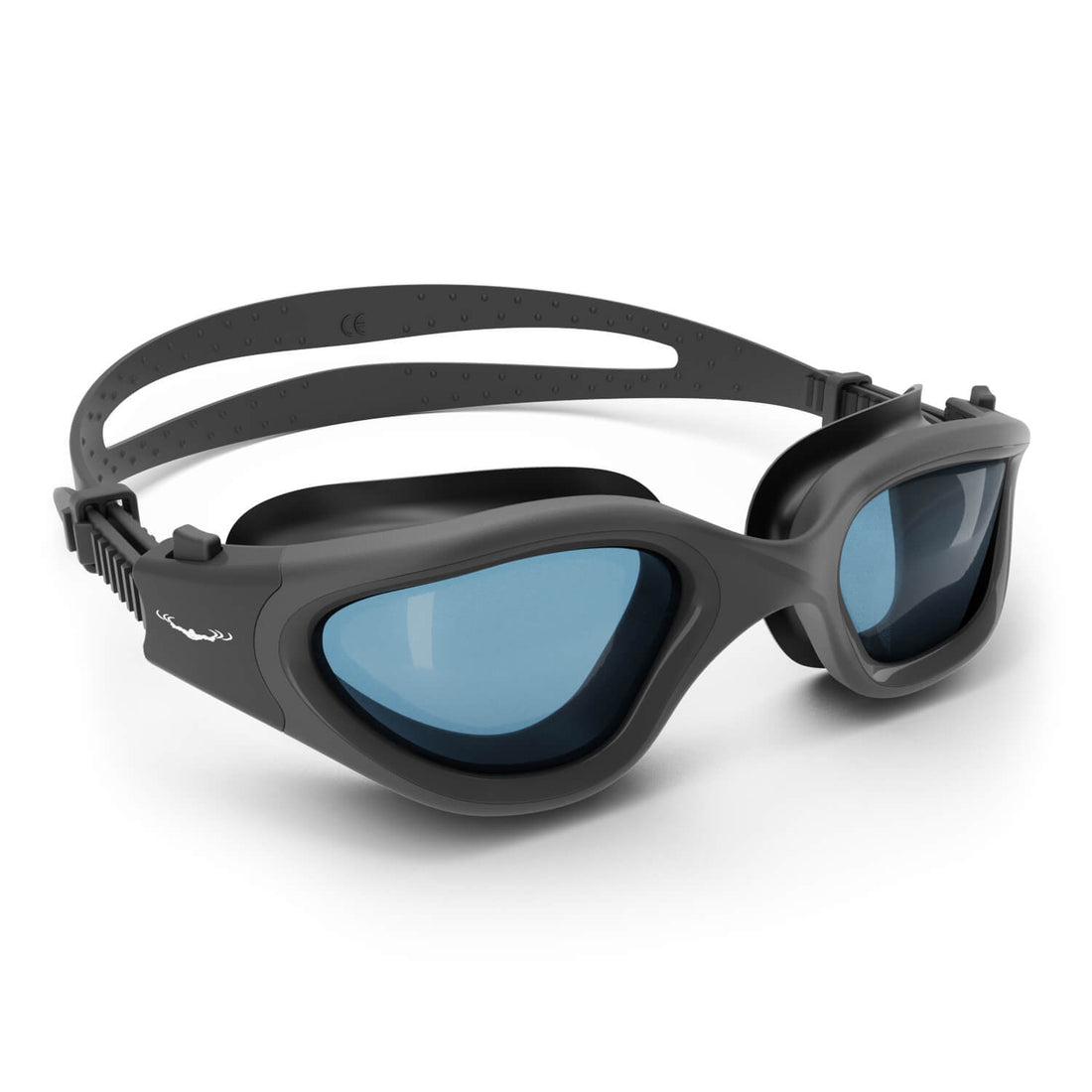
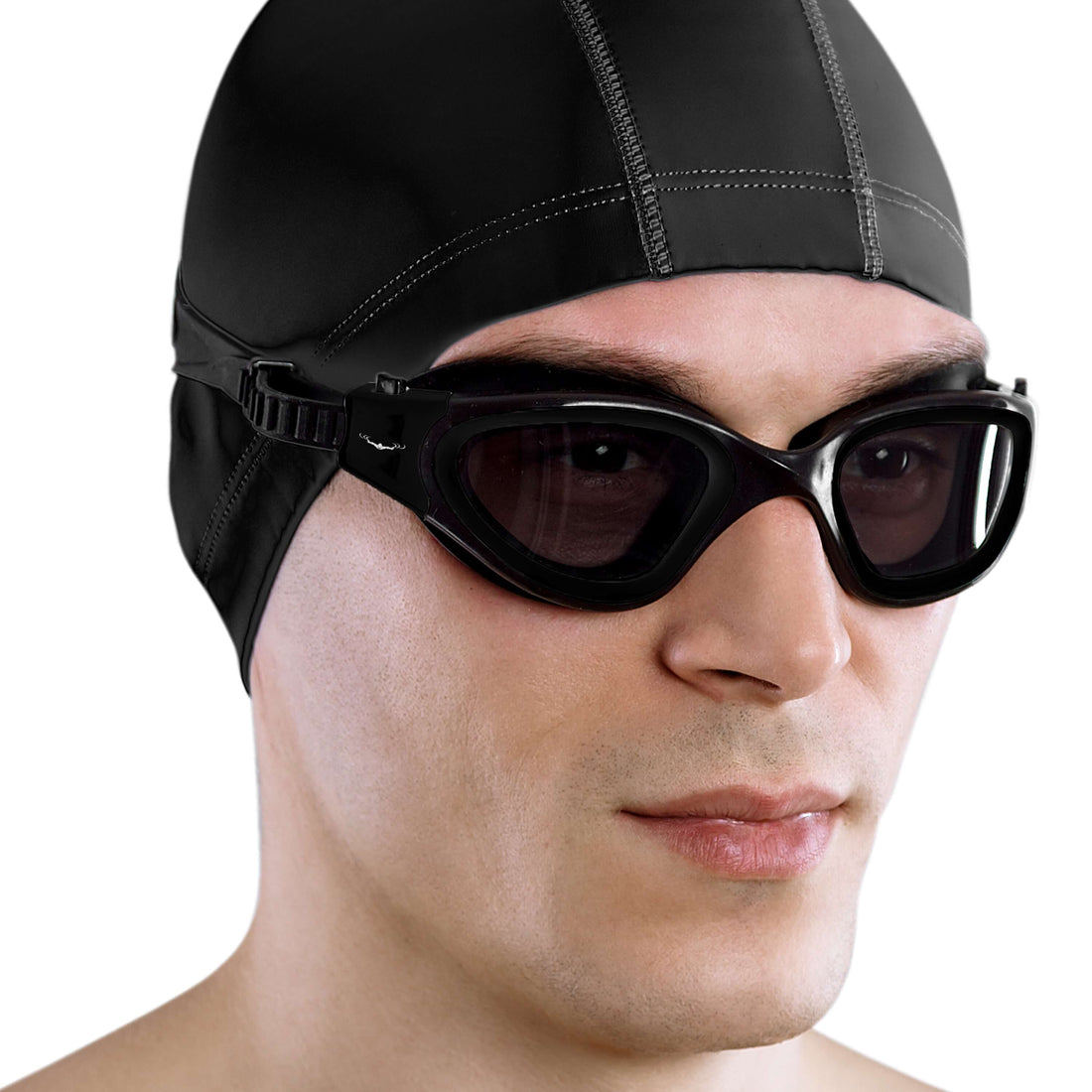
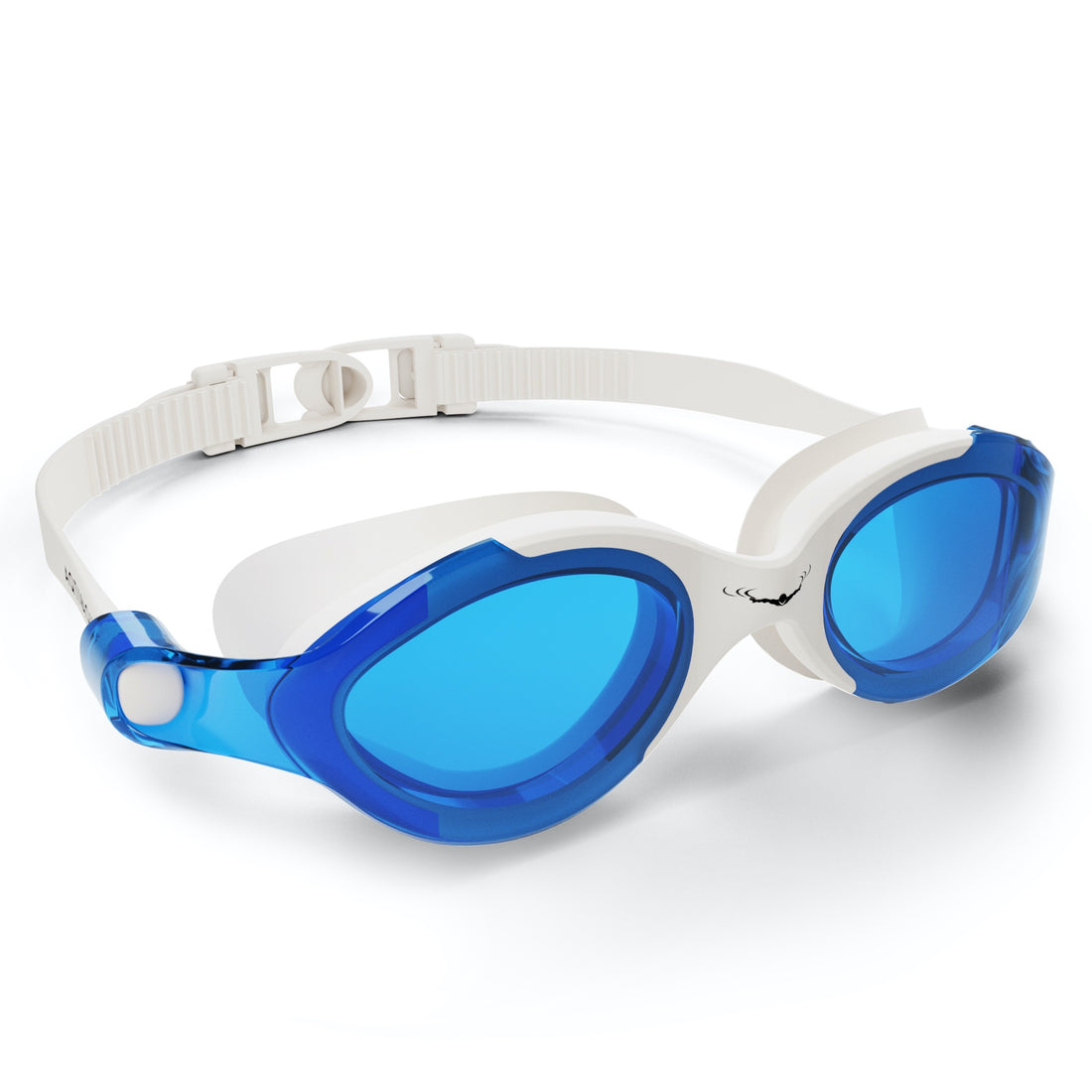
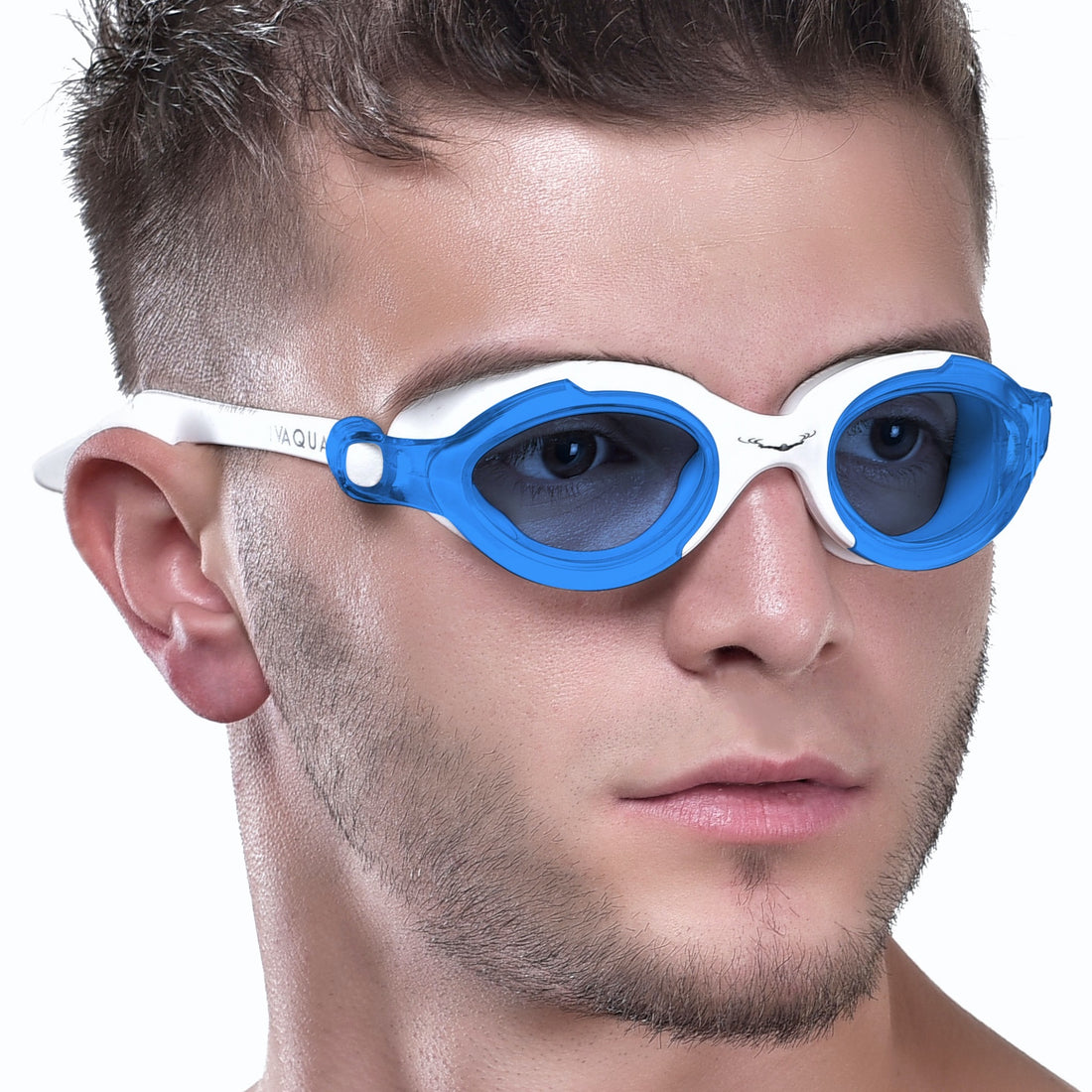
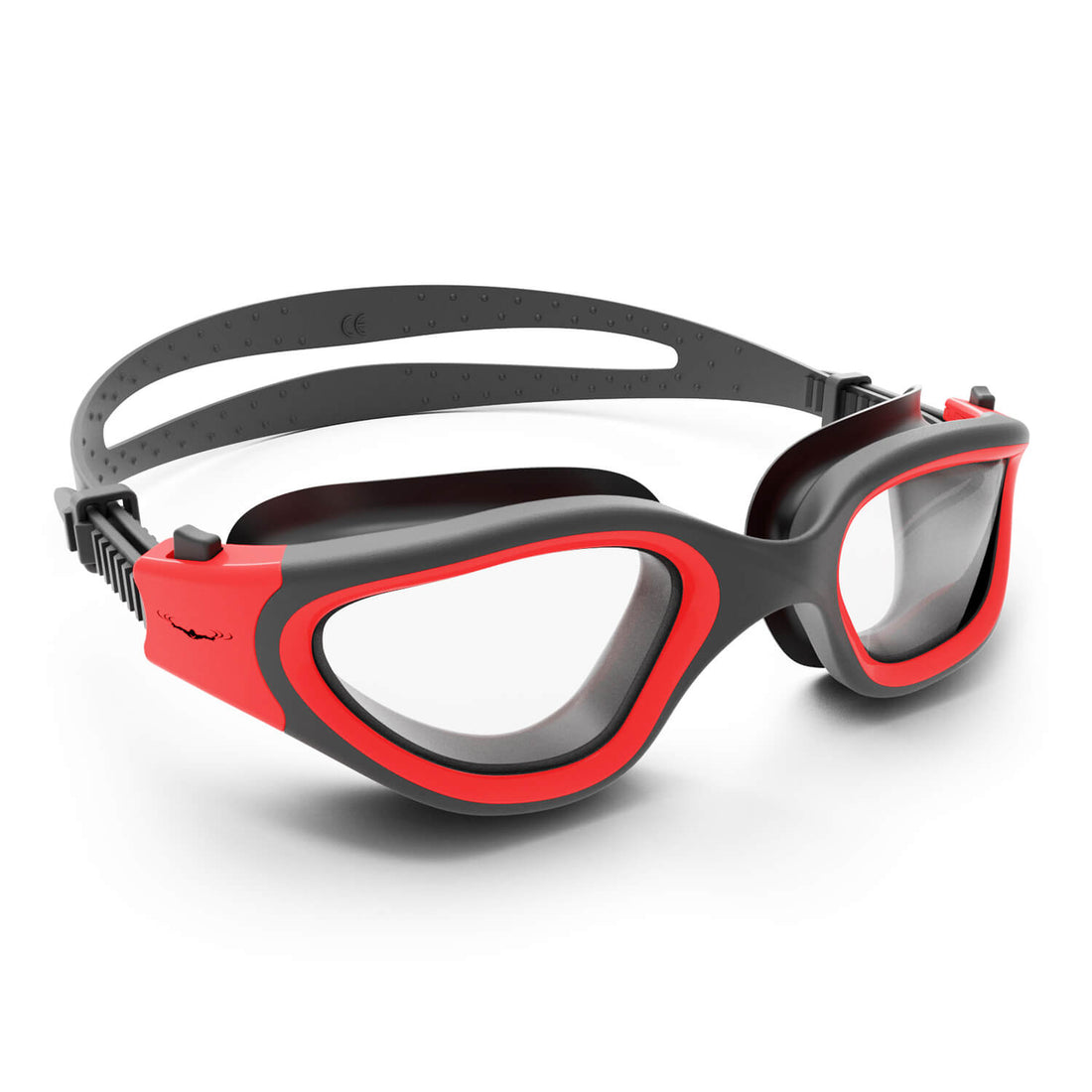
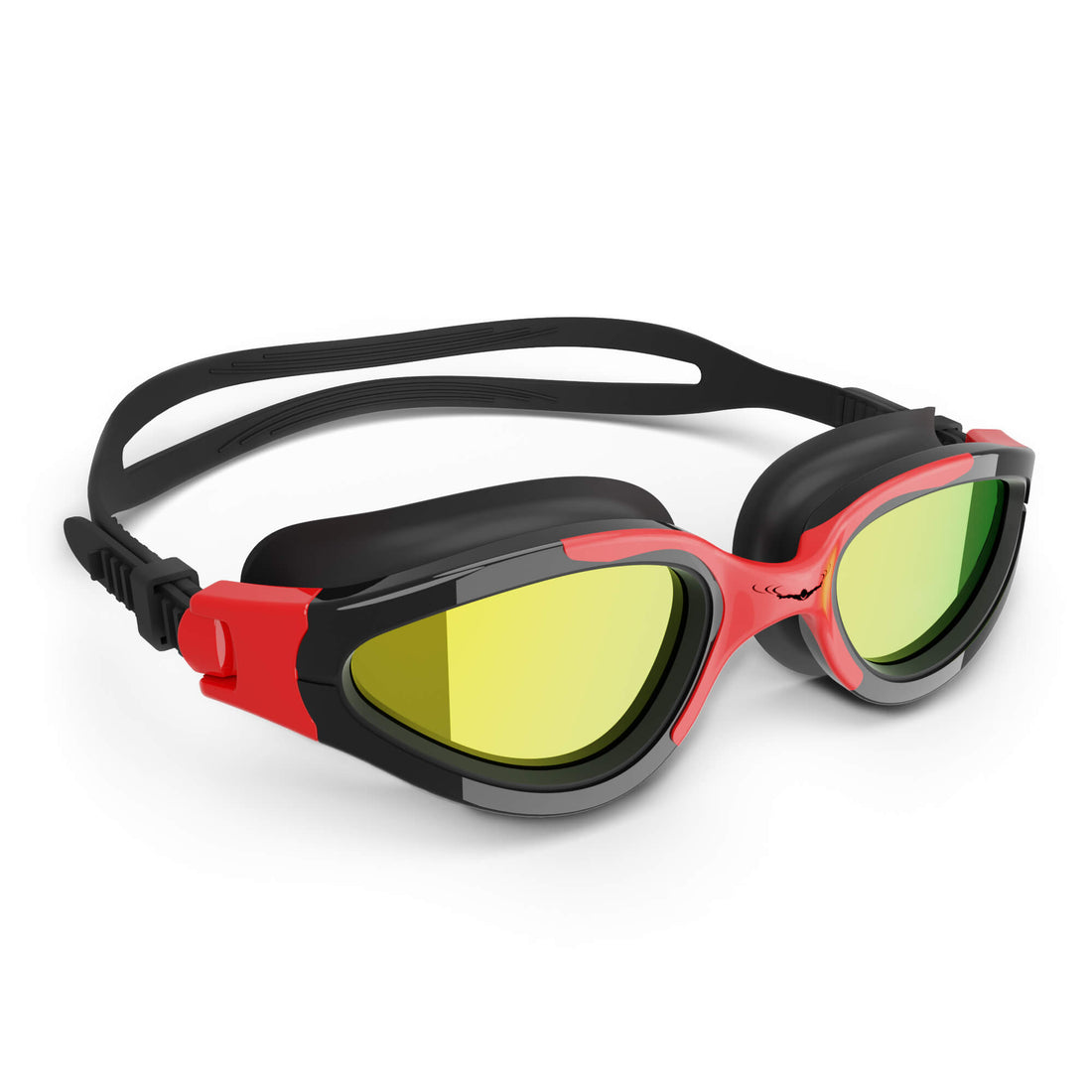
One of the most important pieces of equipment is a reliable pair of swim goggles. These goggles offer clear visibility and a snug fit to prevent leaks—essential for maintaining focus during races. For example, the DX Wide View Swim Goggles feature a 180-degree view with clear lenses that provide visibility for both indoor and outdoor swimming environments. Additionally, the soft, flexible double-seals ensure comfort without leaving pressure marks on your skin, allowing you to concentrate purely on your performance. Proper goggles should also have advanced anti-fog properties to ensure your vision remains sharp, especially during intense competitions.
Swim Caps
Swim caps not only reduce drag but also keep your hair out of your face. They can enhance your overall speed in the water. Choose a cap that fits snugly without causing discomfort.
Swim Ear Bands
Swim ear bands are beneficial for preventing water from entering your ears, particularly for swimmers who might be sensitive to water exposure. They help maintain comfort during extended training sessions and improve focus on your technique.
The Importance of Mental Preparation
Competitive swimming is as much a mental sport as it is a physical one. Proper mental preparation can enhance performance on race day. Here are some strategies:
Visualization Techniques
Visualizing your race can be a powerful tool. Imagine executing a perfect start, maintaining a strong stroke, and finishing with your best time. This mental rehearsal helps build confidence and reduces anxiety.
Race Day Routine
Establish a consistent race day routine to ensure you are mentally prepared. This may include a warm-up, reviewing your goals, and going through your pre-race checklist. Familiarity breeds comfort and can lead to better performance.
Mindfulness and Focus
Incorporating mindfulness techniques can help maintain focus and reduce stress. Spend a few minutes before practice or competition centering yourself, taking slow breaths, and mentally preparing for the task at hand.
Nourishing Your Body for Optimal Performance
The right nutrition is crucial for competitive swimmers, as it fuels your training and recovery. Here’s a breakdown of essential dietary considerations:
Balanced Diet
Ensure that you are consuming a well-rounded diet rich in carbohydrates, proteins, and healthy fats. Carbohydrates provide the energy needed for intense training sessions, while protein is vital for muscle repair and recovery.
Hydration
Staying hydrated is critical for peak performance. Dehydration can lead to fatigue and decreased performance levels. Make it a habit to drink water consistently throughout the day, especially before, during, and after practices.
Pre-race Nutrition
On race day, consume a meal that is carbohydrate-rich and easy to digest approximately 2-3 hours before your event. Some popular options include oatmeal, bananas, or a small whole-grain sandwich. Avoid heavy meals that might cause discomfort during your swim.
Making the Most of Practice
To maximize your practice time, focus on specific goals for each session. Whether it’s perfecting your stroke or improving your starts, having a clear focus allows you to track progress and implement changes effectively. Always monitor your performance and analyze areas for improvement.
Sharing Goals with Your Coach
Effective communication with your coach can lead to more tailored training sessions. Discuss your short- and long-term goals regularly, so your coach can adjust your training plan to meet your needs.
Encouragement from Your Peers
Swimming can sometimes feel repetitive and isolating, but surrounding yourself with teammates can help motivate you. Share your goals and encourage each other through challenging workouts and competitions. Celebrate each other’s successes, which can foster an environment of teamwork and mutual support.
Racing Strategies for Success
On race day, strategies matter just as much as preparation. Here are some strategies to keep in mind:
Pacing
Swimmers must be mindful of their pacing to avoid burnout. It’s essential to find a rhythm that feels comfortable yet pushes your limits. For events requiring endurance, aim to learn your ideal split times and maintain consistent splits throughout the race.
Starts and Turns
A strong start sets the tone for your race. Practice explosive starts allowing for quick movements off the blocks. Turns are equally crucial; execute them with precision to minimize time lost. Committing to practice your turns consistently can give you an edge over your competitors.
Enhancing Your Swimming Journey
Competitive swimming is an enriching experience that requires dedication, perseverance, and passion. By continually focusing on technique, employing effective training strategies, and nurturing mental preparedness, you can experience growth and triumph in the pool. Whether you are pursuing academic scholarships, joining a club, or aiming for the Olympics, understanding the art of competitive swimming can guide your journey.
If you want to dive deeper into achieving your swimming goals, remember that the right equipment plays a vital role. Make sure to invest in high-quality gear, such as swim goggles for optimal performance. Embrace every moment of your swimming journey and watch as you reach new heights, both as an athlete and an individual.
Frequently Asked Questions
1. What are the main strokes in competitive swimming?
2. How can I improve my swimming speed?
3. What should I eat before a race?
4. Why is mental preparation important in competitive swimming?
5. What gear is essential for competitive swimmers?
Glossary
| Term | Meaning |
|---|---|
| Freestyle | The fastest swimming stroke, also known as front crawl. |
| Backstroke | A stroke performed on the back with alternating arm movements. |
| Breaststroke | A stroke characterized by a frog-like kick and simultaneous arm movement. |
| Butterfly | A challenging stroke involving simultaneous arm movements and a dolphin kick. |
| Streamline Position | A body position that reduces drag to maximize speed. |
| Interval Training | A training method involving swimming repetitions with rest periods. |
| Pacing | Managing speed throughout a race to avoid burnout. |
| Swim Goggles | Essential equipment for clear visibility and preventing leaks. |
| Visualization Techniques | Mental rehearsal of race execution to build confidence. |
| Hydration | Maintaining fluid levels for peak performance during training. |
Linked Product

DX Wide View Swim Goggles + SHOCK Protective Case
The DX Wide View Swim Goggles feature clear, untinted 180° polycarbonate lenses that provide true-color visibility in various lighting conditions, enhancing your swimming experience. With advanced anti-fog technology and a secure, comfortable fit, these goggles are designed for optimal performance during intense workouts. The included SHOCK protective case ensures your goggles remain safe and dry between swims.
View Product